


Category: Knowledge


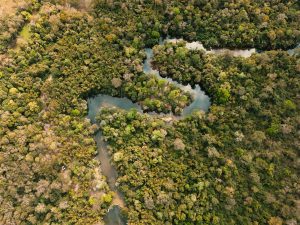
ILM in practice: four landscapes, countless lessons
Across Bolivia, Paraguay, Ecuador and Colombia, Integrated Landscape Management is transforming how communities, governments and civil society govern shared resources. These four case studies show what ILM looks like on the ground.
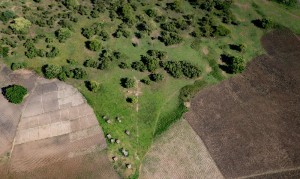
Beyond the numbers: understanding how landscapes change
What shapes success in Integrated Landscape Management (ILM)? While quantitative analysis can help identify patterns, Kim Geheb argues that many of the factors that matter most – trust, relationships, local leadership and the ability to "read" a landscape – are often harder to measure, but no less important.
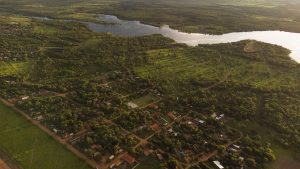
Our global synthesis: what really makes ILM work?
Why do some landscape initiatives gain momentum while others struggle to endure? In this preview of a forthcoming paper, George Schoneveld reflects on lessons from 15 landscapes and the factors that seem to make the biggest difference.

Inclusive collaboration: reconnecting a Colombian wetland system
The Paisajes Sostenibles (Sustainable Landscapes) project sought to strengthen environmental governance while testing innovative strategies to improve local livelihoods in a context marked by ecological degradation, institutional fragmentation and low levels of trust among actors.
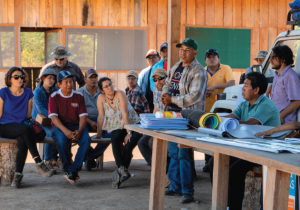
From platform to policy: institutionalizing landscape management in Bolivia
What does it take to move from dialogue to lasting governance in complex landscapes? In Bolivia’s Chiquitanía region, the answer began with watershed management.
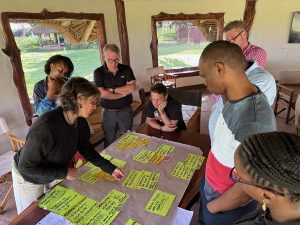
From data and dimensions to “aha” moments: what LFF taught us
As the only non-scientist on the team, it's been fun to watch my Central Component colleagues going "soft" ? over the course of this programme. Here's what surprised them.

Observing how iterative learning and adaptation contribute to Integrated Landscape Management
Progress might require a meandering route in politically sensitive, ecologically important, and operationally challenging settings. Recent experiences from our landscapes in Latin America and the Caribbean illustrate how adaptive learning offers a way forward.
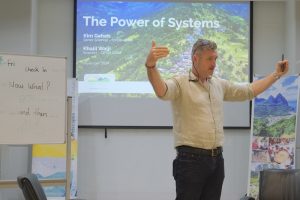
The Power of Systems
“Landscapes are complex systems, Kim Geheb, Coordinator of our programme’s Central Component points out. So we should be thinking about Integrated Landscape Management from a systemic perspective, he argues. And then: how do we change system direction?
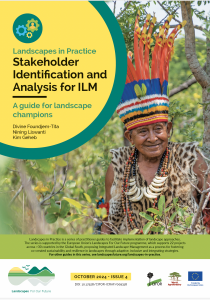
Landscapes in Practice: Stakeholder Identification and Analysis
Landscape condition and sustainability depends on what its stakeholders are doing. ILM practitioners cannot, therefore, avoid considering stakeholder activities. This Landscapes in Practice paper provides an overview of the key concepts and the tools and resources available for learning more.
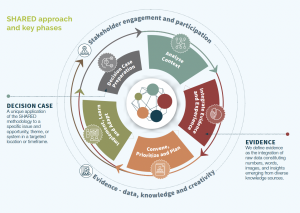
Stakeholder engagement toolkit for ILM
SHARED is a tailored method for stakeholder engagement with evidence, managing relationships and brokering multi-stakeholder and cross-sectoral partnerships.

FUNDING PARTNER

PARTNER

Quick links
General enquiries
Niclas Gottmann
Niclas.GOTTMANN@ec.europa.eu
Kim Geheb
k.geheb@cifor-icraf.org