Newsletter #12 | Feb 2026

Real-world lessons from landscapes – plus what's coming up in 2026.

Insights from ILM in action

We were delighted to receive authorisation to extend our work into a no-cost extension (NCE) period that will see us formally ending the Central Component in September 2026. This gives us room to breathe, think, consider and consolidate our learning from four surprising and revealing years, while still offering support to LFF projects that have themselves been granted NCEs.

So, what have we got planned? 

Our work is currently dominated by two major outputs:

‘Global learning’ work – Our teams have been visiting most of the LFF projects, using a consistent methodology, to explore the ways in which each project has inclined towards ILM: the ways in which they have understood it, negotiated it, and the skills and strategies they have utilised to obtain it. I think this is going to be a very insightful product. The team has been dialoguing a lot on how we’re going to analyse this huge body of data, while still being sensitive to the perspectives and knowledge of the individual project teams. I see this exercise as advancing understanding of ILM and how it can be successfully achieved. Shout-out to the pair leading this initiative, Valentina Robiglio and George Schoneveld!

Then there’s the ILM Playbook. For me, this has been – and continues to be – a labour of love. My relationship with the AI tool, Claude, has flourished – I have found him (it?) an indispensable foil – to debate and argue with. My conversations with him run into the gigabytes. 

What will the Playbook be? It is intended to fulfil several roles: an online course for would-be ILM practitioners, a bedrock for our accumulated understanding of what we have learned from the LFF, and a provocation to existing ILM practitioners. Whatever the case, it will be designed and, we hope, used to inspire new thought and reflection – and to advance a global ILM agenda.

And then there’s the plus, plus, plusses: additions to our Landscapes in Practice series, case studies and thematic papers, a series of country briefs, and a number of events that we are still discussing.

The next seven months will be busy and rewarding, and we look forward to sharing these outputs with you all. In the meantime, may 2026 be your ILM year!

– Kim Geheb
Coordinator
Central Component

Aha! What LFF taught us
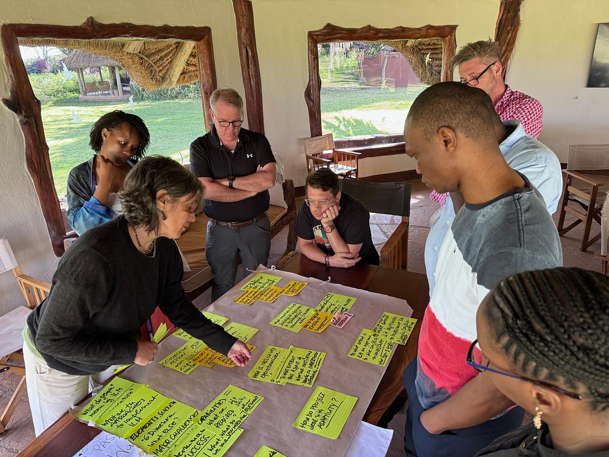
As the Central Component, we spend a lot of time talking about co-learning and co-creation – about arriving in landscapes with curiosity rather than prescriptions. But as the Landscapes For Our Future programme comes to a close, we turned the question inward.

What surprised us?

Perhaps it was the penny dropping in Laos that strong team dynamics really matter when it comes to applying and adapting ILM, or perhaps it was the realization in Vietnam that sometimes landscape solutions need to be found from well outside the landscape. Perhaps it was seeing in Papua New Guineathat ILM has significant peace-building potential, or in Brussels, that ILM can be a really powerful way of heading off the unintended consequences of large-scale infrastructure projects.” 
– Kim Geheb

LFF showed me that you don’t transform landscapes ONLY by rolling out innovations – as necessary as these are. By aligning people, incentives, and power, these innovations can succeed over time. Our innovations succeed when they’re human-led — when they start with listening and trust – and the technical solutions then follow.” 
– Khalil Walji

For me, the main takeaway is that ILM succeeds when it stays grounded in real-life needs, remains flexible in practice, and puts people at the centre – not just in principle, but in delivery.” 
– Divine Foundjem

I think that ILM is not about great project design. What generates a good ILM performance is probably something we do not talk about explicitly: the relational aspects. ” 
– Valentina Robiglio

One key ILM insight for me is that trust and process matter more than tools.” 
– Natalia Cisneros

I think my most significant lesson is that ILM is fundamentally a multicomponent process… Conceptualizing how integration worked across these dimensions pushed us to see the dimensions more as strands in a larger thread that wound around and supported the collective whole.” 
– Peter Cronkleton


REFLECTIONS FROM THE FIELD

What does it take to bring diverse actors together in fragile, contested landscapes?
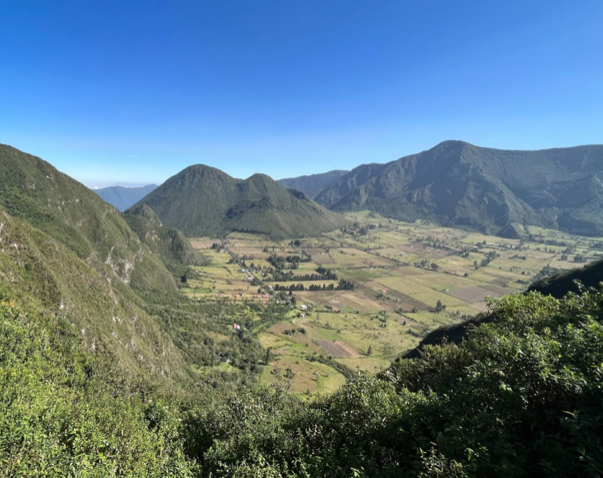
In a parish in Ecuador, the answer turned out to be water.

This case study shows how a shared concern became a catalyst for collaboration – helping government, communities, and technical partners align priorities, build trust, and turn Integrated Landscape Management from concept into practice. While grounded in one place, the lessons are highly transferable.

If you’re navigating fragmented governance, local capacity, or the challenge of turning strategies into action, you’ll find practical insights here – wherever you work.

When governance doesn’t exist, how do you make ILM work?
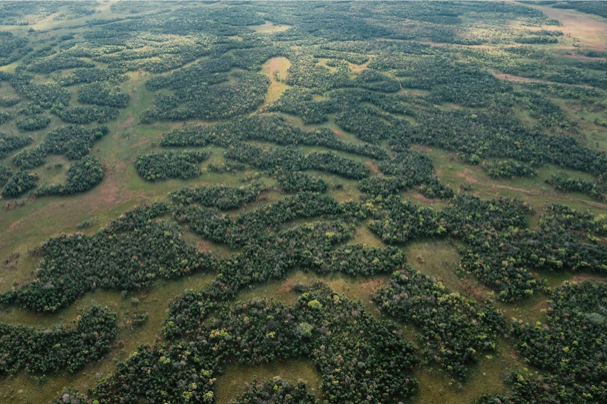
What does it take to practice ILM where there’s almost no permanent state presence, weak institutions, and deeply unequal power dynamics?

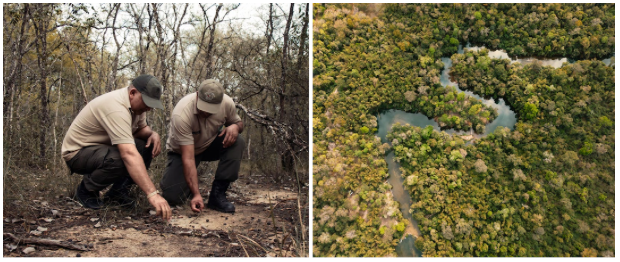
In Paraguay’s northern Chaco, the answer wasn’t perfect plans – it was adaptive learningneutral facilitation, and creative coordination in a governance vacuum. The CERES project helped establish the first sustained collaborative processes in a landscape long managed at a distance, showing how small, pragmatic steps can unlock durable institutional change and bring unlikely partners together. 

If you’re working in contexts where governance is fragile, actors are distant or disconnected, or power imbalances are the norm, this case study offers practical insights on sustaining momentum, building legitimacy, and anchoring collaboration without waiting for ideal conditions.


PUBLICATIONS

From dialogue to delivery
You read the blog, now read the report. 😀 

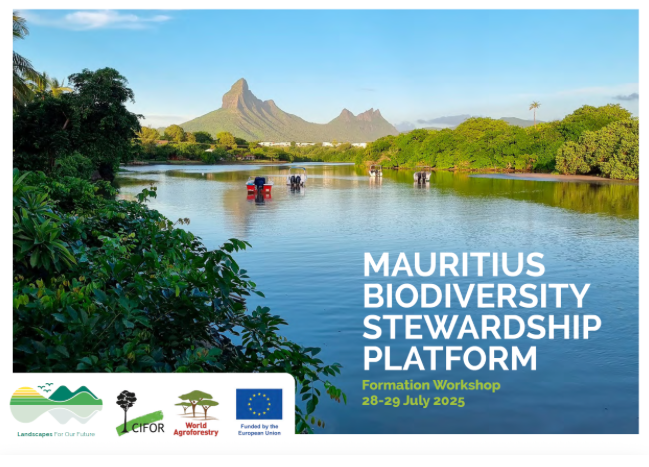
Our report on the Mauritius Biodiversity Stewardship Platform formation workshop goes beyond documenting an event – we wanted to capture a practical blueprint for building multi-actor platforms by using inclusive methods that surface diverse perspectives and move groups from dialogue to concrete action. 

Even if you’re working in a different landscape, you’ll find actionable ideas for designing collaborative processes that build trust, generate momentum, and translate participation into implementation.


What we’ve been reading

Why Integrated Landscape Management matters

This short post is a great reminder of why we invest in ILM in the first place: landscapes are systemic, and so are the challenges we face — from food insecurity to climate vulnerability. By bringing farmers, governments, communities and the private sector together around shared resources like land and water, ILM strengthens food systems, livelihoods and resilience in ways that sector-by-sector approaches simply can’t. 

Learning from doing: Closing knowledge gaps in integrated landscape research

This special feature collection highlights a big lesson for the research–practice interface: there are still critical gaps in how integration is defined, studied, and reported, especially around politics, power dynamics, gender dimensions and local knowledge. A key takeaway is that learning from implementation and empirically documenting what works (and why) remains essential to advancing ILM as both a practice and a field of study. 

Best practices to benefit biodiversity and achieve resilient and sustainable infrastructure

This resource underscores how infrastructure planning and biodiversity outcomes are deeply connected. It offers practical guidance on how developers and governments can design infrastructure that supports ecological functions — a reminder that ILM isn’t only about social processes, but also about building systems that are sustainable from the ground up. (No citation available online but draws on best-practice principles.)

Do they actually work? Social conflict duration and conflict resolution mechanisms in Peru

Early evidence from Peru suggests that popular conflict-resolution mechanisms — like dialogue spaces — may not always shorten conflicts. In some cases, they can prolong engagement if credibility, capacity and broader institutional support are weak. The insight here for landscape practitioners is that mechanisms for dialogue need careful design and legitimacy to help transform conflict, not just host it. 

Power and its discontents: The long road to systemic change in the aid sector
This article challenges the myth that incremental shifts in practice alone will rebalance deep power inequalities in development systems. While localisation and “shift-the-power” initiatives are gaining ground, the authors argue that meaningful, systemic change requires transforming where decision-making and financial power actually sit, not just boosting local participation in existing structures. It’s a crucial insight for anyone committed to genuine co-creation.


Guardians of the green: local stewardship of a global treasure

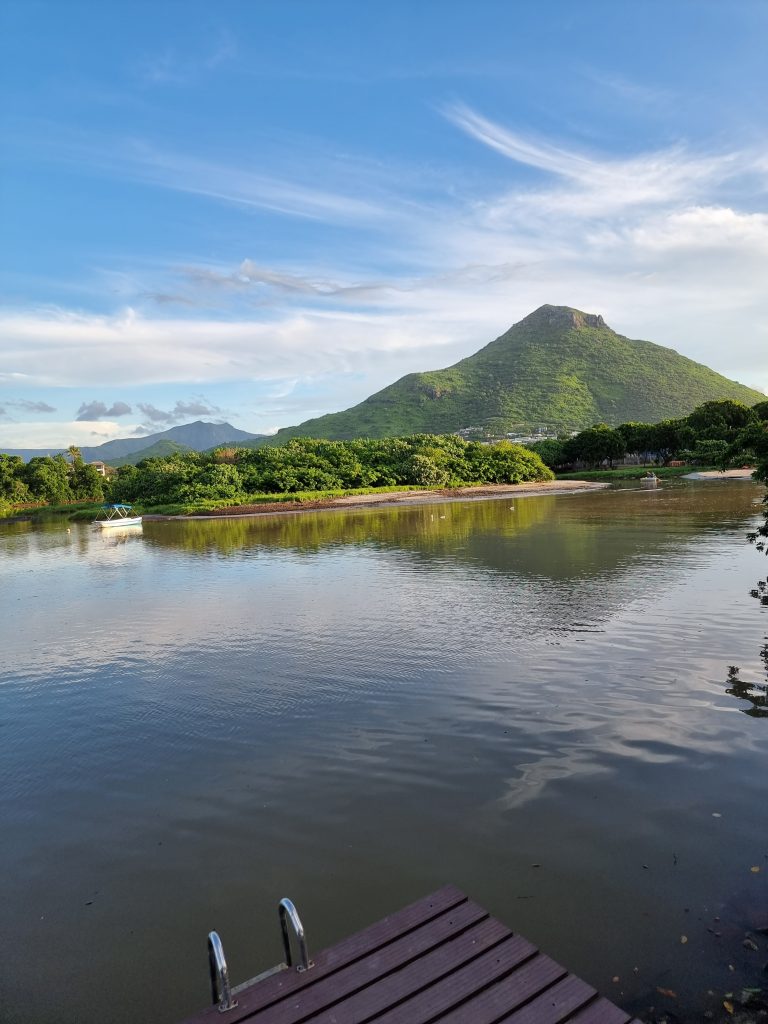
Mauritius dazzles with emerald peaks and turquoise seas — but its “green” landscapes hide centuries of ecological loss. Nearly 90% of native forests are gone, leaving Mauritians with the urgent responsibility of stewarding biodiversity of global significance.

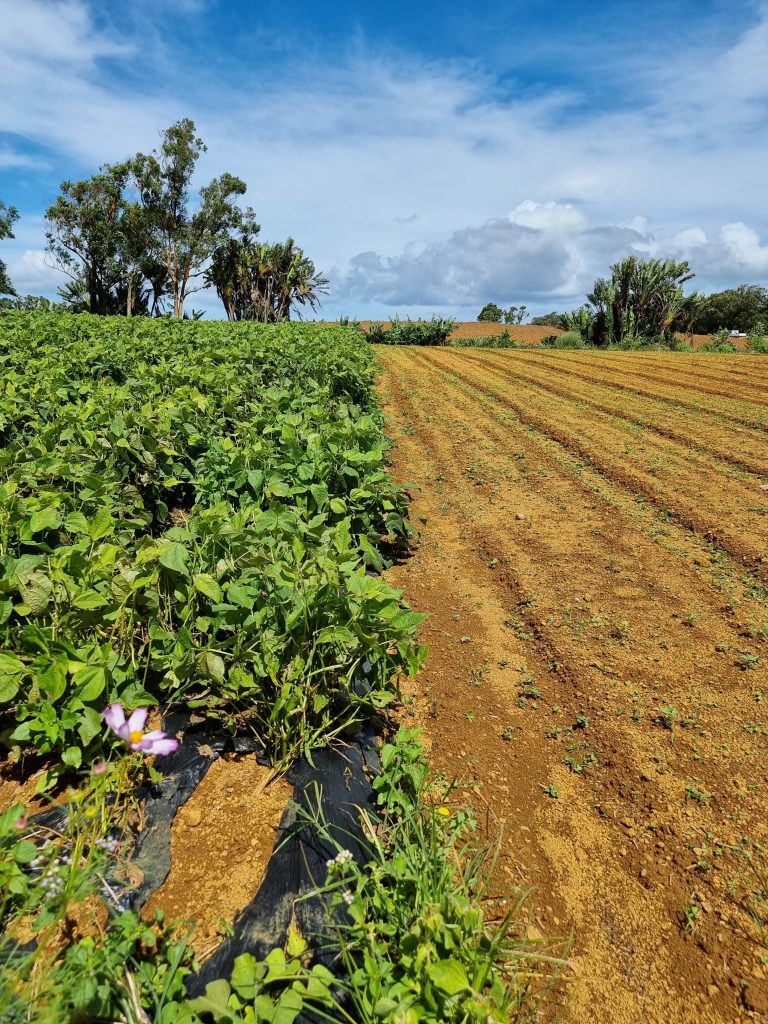
When you land in Mauritius, the first impression is one of dazzling beauty: emerald mountains rising above a turquoise lagoon, sugarcane swaying in the breeze, and pockets of deep green forest. As you step out of the airport, the first sign that greets you proudly proclaims: “Welcome to Mauritius – a Green Island.” Looking out towards the horizon, all you see are rolling green landscapes stretching to the sea. But it is a trick of the eye: these are not native forests, but vast expanses of sugarcane plantations. The island’s rich natural heritage has been reshaped over centuries, and beneath the surface of this apparent greenness lies a deeper story.

A story of centuries of ecological transformation. Since human arrival, Mauritius has lost almost 90% of its native forests, much of it cleared for sugarcane and settlements. Invasive plants and animals now dominate many landscapes, and the once-thriving populations of endemic species have been reduced to fragile fragments. It is this history that gives urgency to today’s efforts to restore and steward the island’s unique, globally relevant biodiversity.

The Mauritius from Ridge to Reef (R2R) project has taken up this challenge with a holistic vision: linking mountains, rivers, forests, and reefs into one continuous fabric of restoration. From weeding invasive plants on steep slopes, to encouraging community apiculture, to protecting coastal wetlands and coral reefs, the project is premised on the idea that resilience is only possible when land and sea are managed together.

Restoration, however, is not only about plants and trees – it is about people. The conservation space in Mauritius has many actors: NGOs, government departments, and ministries whose mandates sometimes overlap. Collaboration among them must be strengthened. Restoration itself is a natural integrator: degraded land is found on coastal shores, within forests, and across agricultural landscapes. But for these efforts to truly benefit biodiversity, connectivity, and resilience, ecosystems – and the ministries responsible for them – need better integration. 

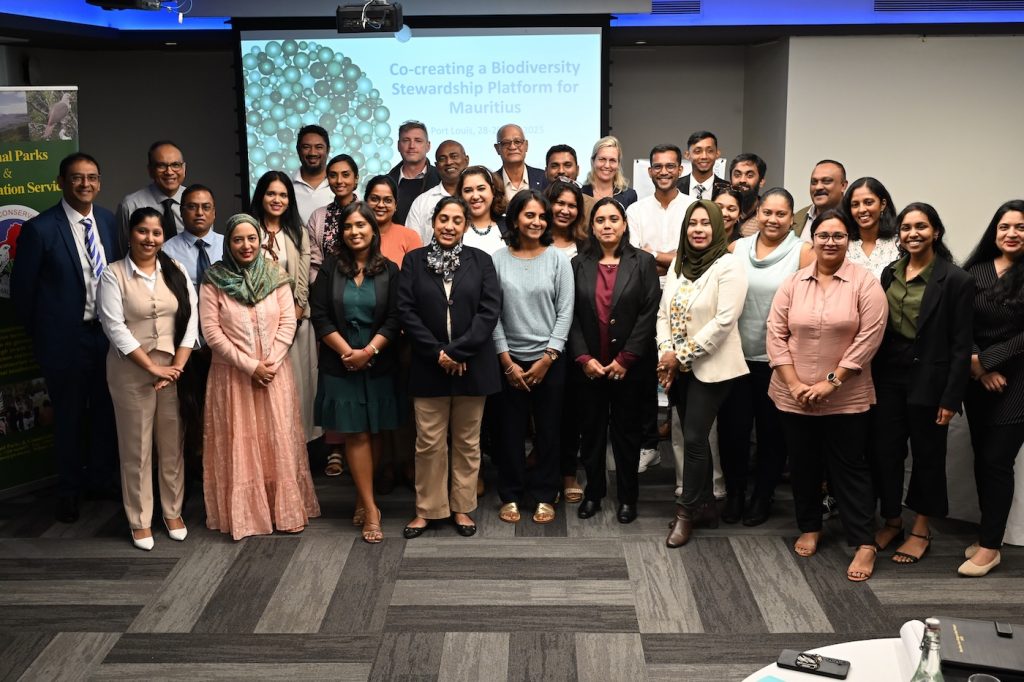
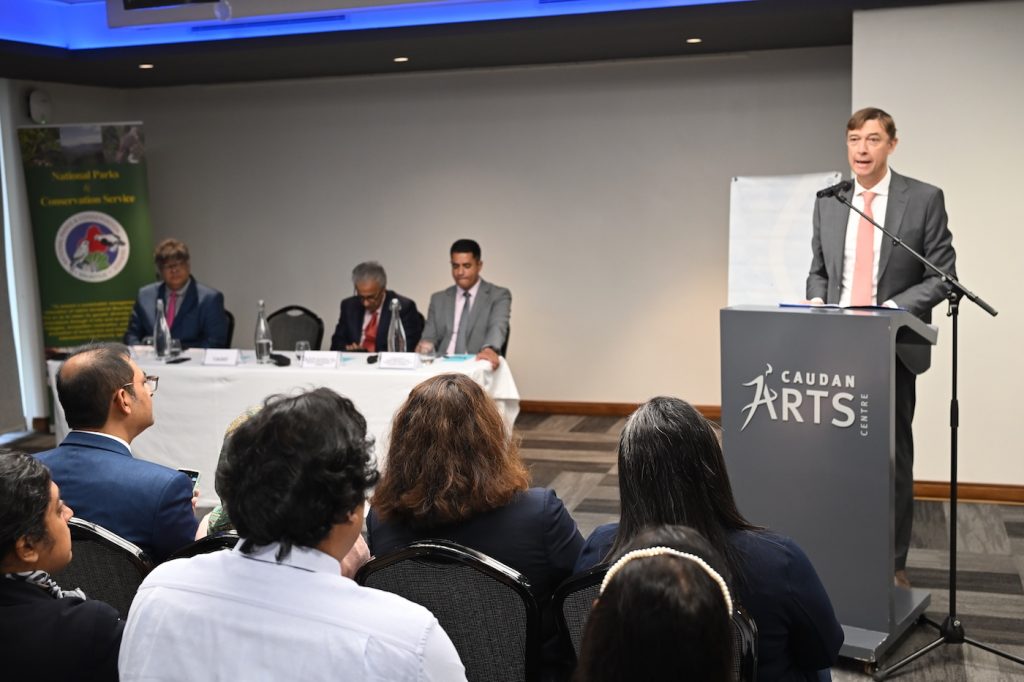
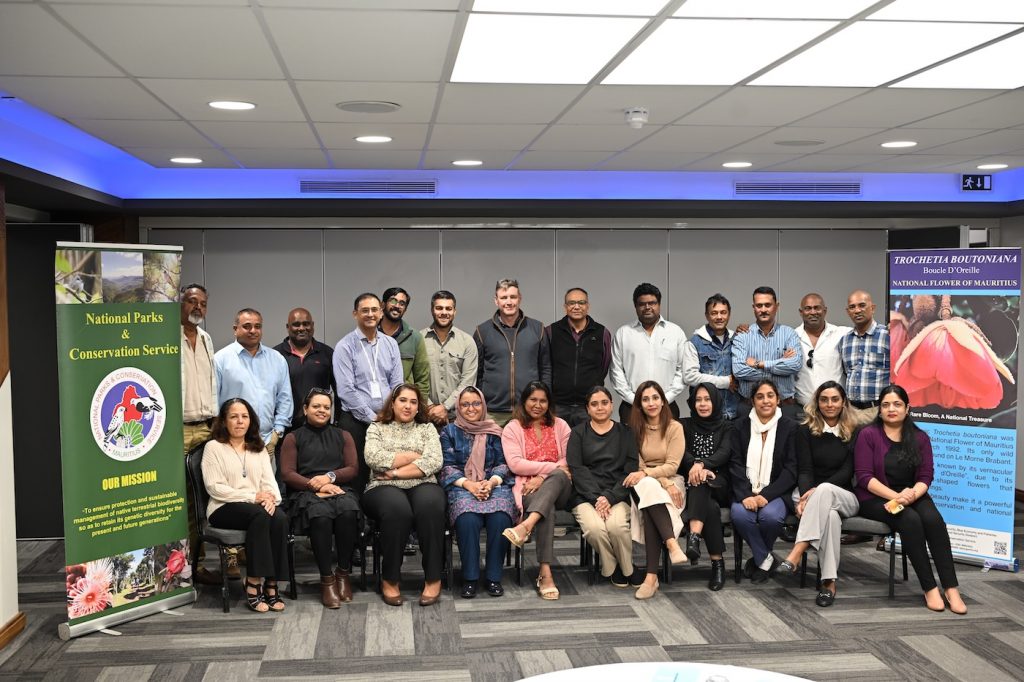
Recognizing this, CIFOR-ICRAF this past month worked alongside partners to support a consultation workshop for the new Biodiversity Stewardship Platform (BSP). 

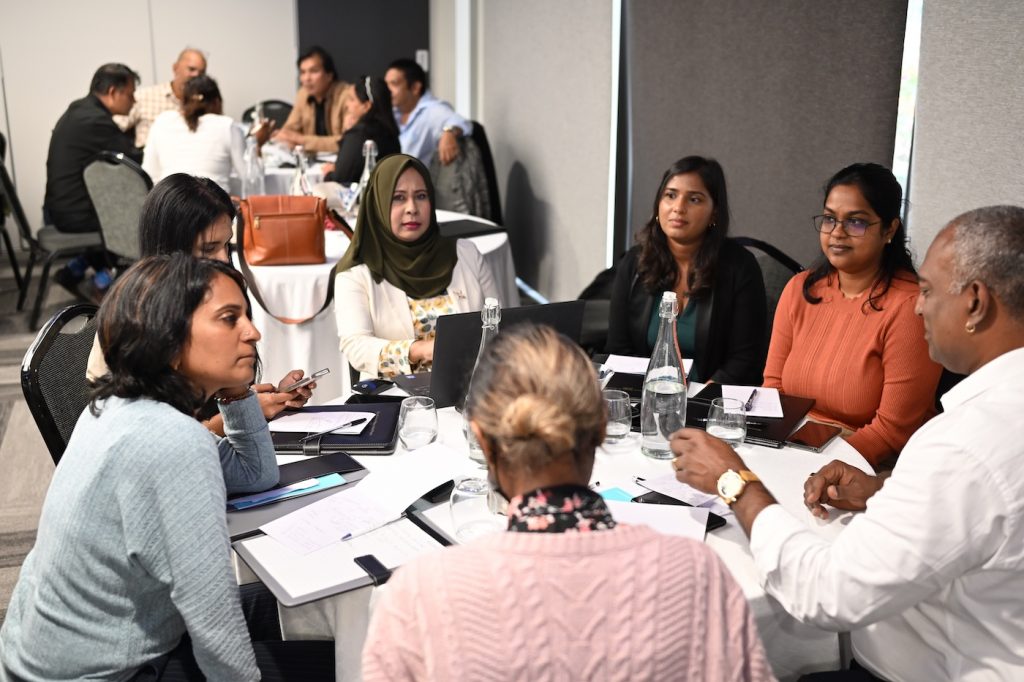
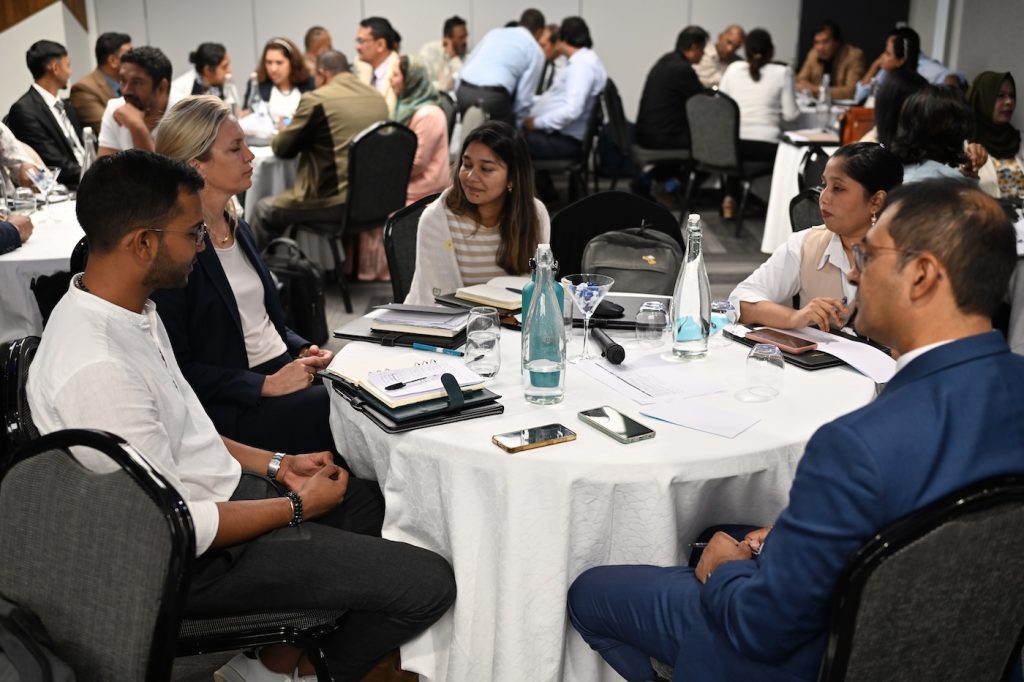
Over three dozen participants gathered, representing a rich cross-section of Mauritian society: government ministries, NGOs, research institutions, youth representatives, private sector leaders, and local community organizations. Together, they grappled with a simple but profound question: how can Mauritius move from fragmented projects toward an integrated, long-term platform for stewardship?

The conversations were lively and candid. Stakeholders spoke of the need for a common vision, one that balances conservation with development, and puts equity at the heart of decision-making. Breakout groups wrestled with the design of the BSP — its governance structure, its functions, and how it could build credibility through transparency and inclusive participation. Ideas flowed: a communications hub to tell Mauritius’s biodiversity story; a knowledge-sharing system to capture lessons; and mechanisms for monitoring progress, so that commitments translate into results.

Workshop outcomes

By the close of the workshop, three major outcomes had emerged:

  1. shared vision for the BSP as a national hub for coordination, learning, and action on biodiversity stewardship.
  2. Agreement on a draft structure, including a steering group and multi-stakeholder working groups to carry forward priority themes.
  3. Commitment to collaboration, with participants voicing readiness to contribute data, align projects, and champion the BSP across their networks.

There was a sense of possibility in the room — that Mauritius, despite its small size, can pioneer innovative governance for restoration and biodiversity.

We cannot afford to work in silos any longer. The Platform is where our efforts will finally meet.

BSP workshop participant

Looking ahead, the BSP will aim to knit together the many threads of biodiversity work across the island. Its ambition is to become a space where government, civil society, communities, and businesses co-create solutions, exchange lessons, and hold each other accountable. If successful, the Platform will not only accelerate restoration outcomes but also embed stewardship into the social fabric of Mauritius – ensuring that the island’s globally important natural heritage is cherished and safeguarded for the world. 

Mauritius’s story, then, is one of both loss and renewal: centuries of degradation now giving rise to bold new approaches. The Ridge to Reef project shows what’s possible in practice; the BSP offers a governance model to sustain it. Together, they chart a hopeful course for an island that has long been defined by its nature, and whose future depends on it.


Newsletter #11 | July 2025

Integrated Landscape Management in the real world: We’ve been visiting; you’ve been talking; we’ve all been learning.
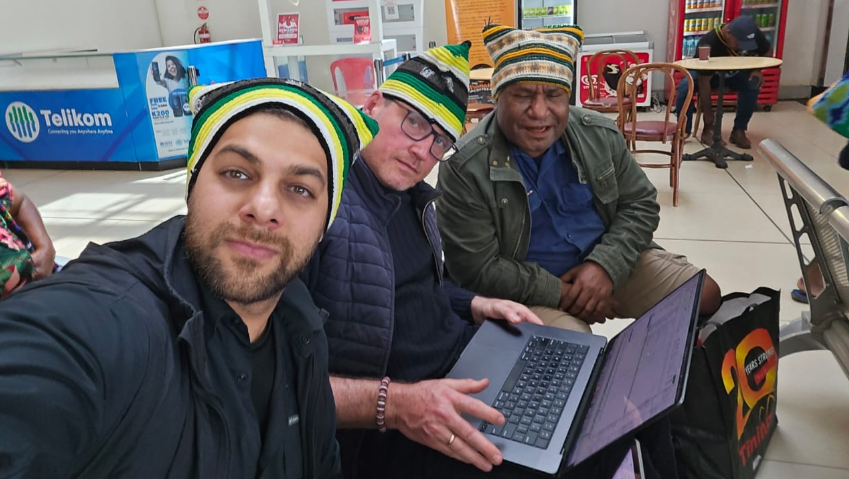
Behind the scenes: Khalil Walji and Kim Geheb flaunt Papua New Guinean headgear as they meet with Sam Moko on their recent learning visit to Enga Province, PNG.

We’ve been travelling. And learning. A lot! Since our Southeast Asian regional summit late last year, we’ve visited the bulk of Landscapes For Our Future’s 22 projects in an effort to glean those insights that are not evident when analyzing single projects. As most of you’re aware, since you’re such key parts of it, we’re documenting your hard-earned experience for the benefit of future practitioners and policymakers who want to design and implement Integrated Landscape Management (ILM) interventions.

The final results are not yet in, but we’re happy to share some initial feedback. In this newsletter: 

👉    Divine Foundjem reflects on some innovative strategies in Francophone Africa

👉   Peter Cronkleton and Natalia Cisneros provide insights on their learnings from Latin America

👉    Kim Geheb contemplates whether ILM can be a vehicle for peace in Papua New Guinea and elsewhere

👉    Our SE Asian colleagues reveal their top ILM success factors

👉    Our Latin American and Caribbean project teams illustrate the role of iterative learning and adaptation in politically sensitive, ecologically important, and operationally challenging settings.

These visits showed us that there’s still so much to uncover. With the right approaches, the right questions, and the right space for reflection, people begin to see things differently.” 
– Divine Foundjem, LFF focal point for Francophone Africa


UPDATES

Insights from our lesson learning process

First: thank you to each of the country teams for being such wonderful hosts and collaborators! You already know that our visits were not business as usual. They were structured moments for real reflection, where we sat down together over long and intense days to look back at what had been done in the landscapes and ask key questions:

  • What have we learned?
  • What worked well?
  • What didn’t work as expected?
  • And what does that tell us about how to improve integrated landscape management?

In his blog post, Divine Foundjem shares how teams used LFF’s framework of six ILM dimensions to uncover valuable insights — from the role of decentralised planning in Senegal to the unexpected impact of football matches as a conflict resolution tool in Burkina Faso.

In Colombia, Ecuador and Paraguay, our team found projects making real strides in bringing diverse stakeholders together and grounding Integrated Landscape Management in concrete local actions. Yet challenges remain around scaling up and sustaining this momentum over time. These reflections offer practical lessons for landscape practitioners and donors everywhere – insights that are vital as we shape the next generation of landscape programmes.


REFLECTIONS FROM THE FIELD

How has iterative learning and adaptation manifested across LFF landscapes?

Iterative learning is emerging as a powerful driver of action across LFF landscapes by enabling projects to remain responsive, adaptive, and grounded in local realities. Rather than relying on rigid plans, project teams embrace flexible, feedback-driven approaches that allow them to learn alongside communities, adjust strategies based on real-time insights, and co-create solutions that are both effective and locally legitimate. Whether through peer exchanges in Ecuador, participatory experiments in Colombia, or adaptive planning in Paraguay, this continuous learning process is helping overcome political, ecological, and social challenges, translating reflection into tangible progress on the ground.


Can ILM be a vehicle for peace?

In the YouTube video above, Jacky Yalanda tells his story.  A former hireman reputed to have killed dozens of people, he now works for the PNG Forestry Department, which is planting 100,000 trees in the Kenda Valley, where fighting has depopulated the land.

In Papua New Guinea’s remote and rugged landscapes, local conflicts can threaten both people’s safety and the natural resources they depend on. Yet ILM approaches can help build the trust and collaboration needed to reduce tensions and unlock progress for people and nature alike.

These clans are tight. The social capital of Enga province is immense. But this can also lead to problems. As one of my colleagues here put it, ‘When you attack one [clan member], you attack us all. Even if I do not agree with your perspective, I will come to fight alongside you.’ And that’s the thing. The Engans fight a lot.”

– Kim Geheb

Kim Geheb’s latest blog explore how our project in PNG is navigating these challenges – and what lessons this holds for landscape practitioners and donors working in fragile contexts.


PUBLICATIONS

What does it take to make ILM work in practice? Lessons from SE Asia

Practitioners and donors working across Southeast Asia gathered in Bangkok late last year with a shared purpose: to learn, unlearn, and exchange honest reflections. Together, we unpacked what drives success, what holds progress back, and what lessons can guide us into the future.

These insights are highly relevant for implementors worldwide, whether those in our Landscapes For Our Future programme or those shaping new initiatives. Download the illustrated report for key takeaways that can inform your own landscape efforts.


Landscapes in Practice: Stakeholder Identification and Analysis

Landscape condition and sustainability depends on what its stakeholders are doing. ILM practitioners cannot, therefore, avoid considering stakeholder activities. This Landscapes in Practice paper provides an overview of the key concepts and the tools and resources available for learning more.

Landscape condition and sustainability depends on what its stakeholders are doing. ILM practitioners cannot, therefore, avoid considering stakeholder activities. The problems exhibited in landscapes emerge out of these activities, so implementing processes that change stakeholder behaviours and practices is central to ILM considerations. It is generally accepted that the higher the level of stakeholder engagement, the more likely an intervention is to succeed, and the more likely its effects will be sustainable.

Landscapes, it should be noted, are complex –and stakeholders are a source of much of this complexity because of their multiple, and often divergent, needs and interests (i.e., to exploit or conserve resources), rights (formal and customary) and levels of legitimacy, dependence on resources, power and influence (economic and political), knowledge, preferences and values. Stakeholders often have competing goals that require mediation to balance trade-offs (if an initiative is promoting changed behaviour) and are embedded within social networks, interactions and responses. If landscapes are to be managed in integrated ways, stakeholders and their various interests must be a major consideration in the design of ILM interventions.

Key messages

  • Stakeholder engagement is a precondition to Integrated Landscape Management (ILM) success. The higher the level of engagement, the greater the likelihood of success and sustainability.
  • Stakeholder identification and analysis is complicated by diversity amongst stakeholders, which emerges from variable interests, different types of knowledge, and contexts. Most stakeholder engagement, identification and analysis approaches try to reveal and understand this complexity.
  • Stakeholder analysis is strategic. It allows interventions to determine who they should engage with to succeed and which inter-stakeholder relations should be targeted for attention.
  • The ‘strategic relevance’ of stakeholders is determined by the degree to which they are judged to influence a project’s success.
  • There are usually competing or contradictory interests among stakeholders, often expressed as conflict. The presence of conflict amongst stakeholders should be assumed from the outset and can represent a significant risk to intervention success.
  • The strategies used to engage with (and between) stakeholders will reflect their strategic relevance and can be brainstormed and deliberated through the development of a Theory of Change.
  • Engaging with stakeholders calls for the deployment of ‘soft-skills’ such as mediation, facilitation, convening and negotiation.
  • Stakeholder relevance and relations will change over the course of a project intervention. As such, stakeholder analysis is not restricted to the beginning of an initiative, but is necessary throughout its duration.

Landscapes in Practice: Iterative learning and adaptation

Integrated Landscape Management (ILM) entails dealing with complexity and uncertainty, of which the interests of diverse stakeholders are an important part. Management strategies such as Adaptive Management and Collaborative Management have emerged to address these challenges and have been operationalized as an approach called Adaptive Collaborative Management (ACM).

This Landscapes in Practice edition aims to offer an overview of the common themes and concepts across these approaches, identifying lessons and proposing ways in which they can contribute to an ILM process. It will also synthesize steps to incorporate iterative learning processes and adaptation into ILM-focused programmes and projects. Ultimately, our goal is to explain key concepts and identify essential steps for practitioners who employ an ILM approach to develop the critical pillars of iterative learning and adaptation within their project cycle.

Key messages

  • Iterative and adaptive learning are seen as key characteristics of effective Integrated Landscape Management (ILM) initiatives, yet ILM implementers may need support to operationalize iterative learning and adaptation in their programmes.
  • Given that landscapes are highly complex and dynamic socio-ecological systems fraught with uncertainty over how they function, interact and react, stakeholders involved in management should adopt a ‘learning by doing’ approach to identify best practices and improve over time.
  • Adaptive management is an approach that treats management as an experiment that tests interventions based on available information, and evaluates outcomes to adjust future management decisions and actions.
  • By convening stakeholders to work together towards a common goal (to collaborate), and by promoting social learning (developing a shared understanding within groups), ILM facilitators can encourage an iterative approach to planning and decision-making to better manage complexity in a changing world with many unknowns.
  • There are four steps that can assist in operationalizing this concept in ILM: stakeholder engagement, problem/objective definition, action planning, and monitoring/reflection (then back to action).