


Category: Updates
Do you know of news that would be good to share with the wider ILM community? Please send any leads or information to D.leRoux@cgiar.org.


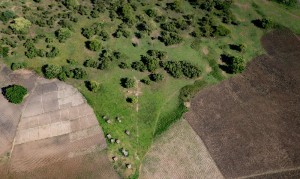
Beyond the numbers: understanding how landscapes change
What shapes success in Integrated Landscape Management (ILM)? While quantitative analysis can help identify patterns, Kim Geheb argues that many of the factors that matter most – trust, relationships, local leadership and the ability to "read" a landscape – are often harder to measure, but no less important.
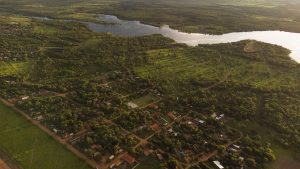
Our global synthesis: what really makes ILM work?
Why do some landscape initiatives gain momentum while others struggle to endure? In this preview of a forthcoming paper, George Schoneveld reflects on lessons from 15 landscapes and the factors that seem to make the biggest difference.
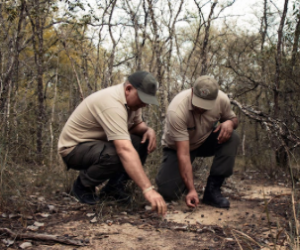
Newsletter #13 | Feb 2026
Real-world lessons from landscapes – plus what's coming up in 2026.
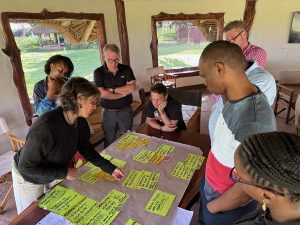
From data and dimensions to “aha” moments: what LFF taught us
As the only non-scientist on the team, it's been fun to watch my Central Component colleagues going "soft" ? over the course of this programme. Here's what surprised them.
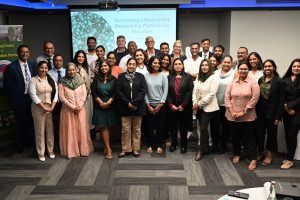
Guardians of the green: local stewardship of a global treasure
Mauritius dazzles with emerald peaks and turquoise seas — but its “green” landscapes hide centuries of ecological loss. Nearly 90% of native forests are gone, leaving Mauritians with the urgent responsibility of stewarding biodiversity of global significance.

Newsletter #11 | July 2025
Integrated Landscape Management in the real world: We’ve been visiting; you’ve been talking; we’ve all been learning.
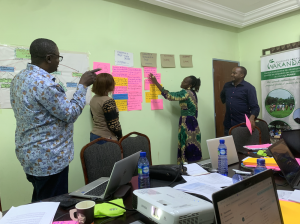
What we’re learning: Reflections from Francophone Africa
As part of our formal learning process, we are working together to draw out key messages and insights from each country – not just to close out the programme, but to support the next generation of Integrated Landscape Management (ILM) innovators and champions.
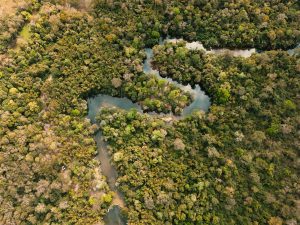
What we’re learning: Reflections from Latin America
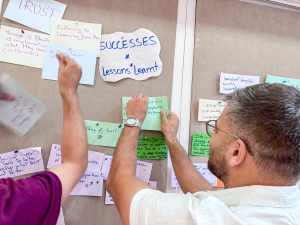
Integrated landscape management can feel abstract – but it comes alive in the field. This year, we've been revisiting our landscapes to see how ILM is taking shape in practice. Through honest conversations, collaborative reflection and some challenging questions, we've been exploring what’s working, what isn’t, and how teams are learning as they go.
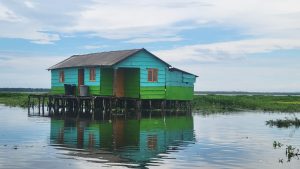
Observing how iterative learning and adaptation contribute to Integrated Landscape Management
Progress might require a meandering route in politically sensitive, ecologically important, and operationally challenging settings. Recent experiences from our landscapes in Latin America and the Caribbean illustrate how adaptive learning offers a way forward.

FUNDING PARTNER

PARTNER

Quick links
General enquiries
Niclas Gottmann
Niclas.GOTTMANN@ec.europa.eu
Kim Geheb
k.geheb@cifor-icraf.org