
Inclusive collaboration: reconnecting a Colombian wetland system

The Paisajes Sostenibles (Sustainable Landscapes) project sought to strengthen environmental governance while testing innovative strategies to improve local livelihoods in a context marked by ecological degradation, institutional fragmentation and low levels of trust among actors.


The Paisajes Sostenibles (Sustainable Landscapes) project was developed to address the complex environmental and governance challenges of the Ciénaga Grande de Santa Marta (CGSM), Colombia’s largest coastal wetland system. Coordinated by FAO and implemented with Colombia’s Marine and Coastal Research Institute (INVEMAR), the Ministry of Environment and Sustainable Development and WWF, and funded by the European Union under the Herencia Colombia programme led by Colombia’s National Natural Parks, the project worked across sectors and scales. ILM provided a framework for engaging government institutions, artisanal fishing communities, women’s enterprises, civil society organisations and private-sector actors around shared challenges, particularly water governance and ecosystem restoration.

A central focus of the project was rebuilding relationships among historically marginalized stakeholders and institutions whose interactions had been weakened by conflict, displacement and inconsistent institutional presence. Through inclusive, participatory processes, the project supported the emergence and strengthening of multi-stakeholder platforms, facilitated dialogue across fragmented governance spaces, and promoted collective problem-solving.

The project also demonstrated the value of adaptive and iterative learning. Technical solutions –  including innovations for macrophyte removal and fisheries management – were co-designed and tested with communities, allowing environmental objectives and livelihood benefits to be aligned. In some cases, these solutions evolved into independent, income-generating activities led by community groups.

While trust-building and institutional consolidation remain ongoing challenges, the CGSM experience illustrates how ILM can support more coordinated, participatory and resilient approaches to landscape governance in complex social-ecological systems.
About the landscape

The Ciénaga Grande de Santa Marta (CGSM) is the largest coastal estuarine system in Colombia, located mainly in the department of Magdalena in the Colombian Caribbean. It is a Biosphere Reserve and Ramsar site, covering more than 500,000 hectares and providing key ecosystem services such as fisheries, water regulation, carbon sequestration, biodiversity conservation, scenic beauty and cultural identity for its inhabitants.

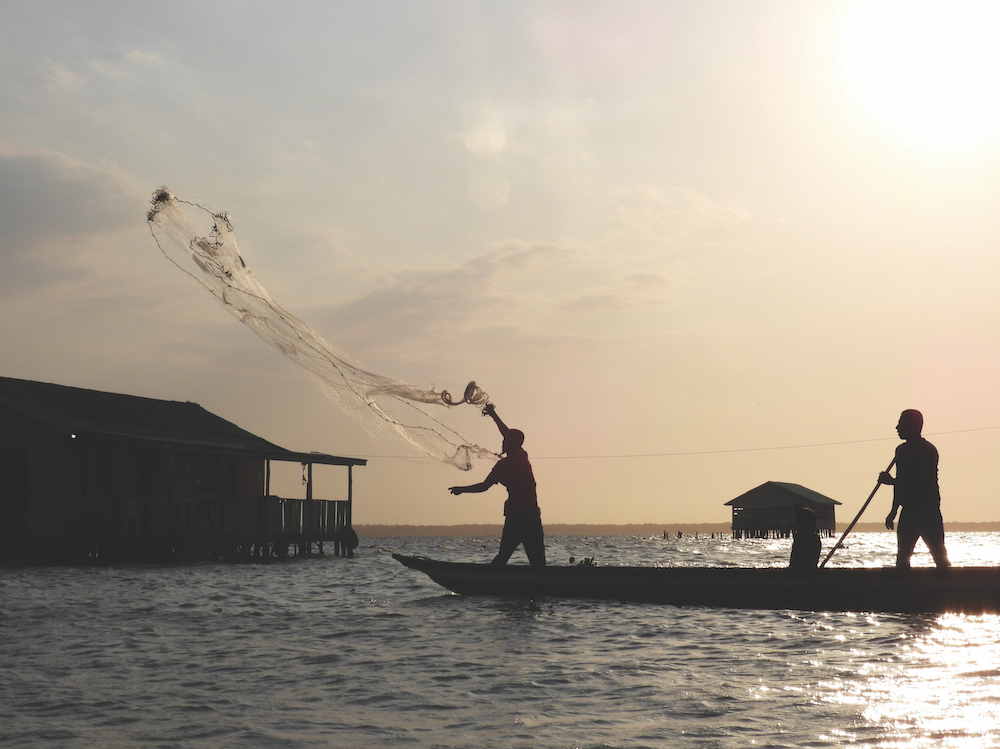
The wetlands support more than 4,000 artisanal fishing families across 26 surrounding municipalities, including palafitic and mainland communities whose livelihoods and food security depend directly on the health of the ecosystem. These communities hold deep ancestral knowledge of estuarine dynamics and recognise the close interdependence between ecosystem functionality and human wellbeing.

Despite its importance, the CGSM faces significant environmental pressures. Infrastructure development – particularly road construction that has blocked natural water inlets – has disrupted hydrological connectivity and altered salinity regimes, contributing to mangrove degradation
and the proliferation of macrophytes. These impacts are compounded by unregulated
agro-industrial expansion, overfishing and
water pollution, resulting in widespread loss
of ecosystem functionality.

These environmental challenges are aggravated by a lack of effective governance among government institutions and local actors. Armed conflict and drug trafficking have generated displacement, conflict and general distrust, weakening the social fabric and limiting collaboration. As a result, relationships between institutions and communities have often been fragmented, reducing the legitimacy and effectiveness of environmental management efforts.

The CGSM is governed through a complex institutional framework. As a Ramsar site and Biosphere Reserve, it is subject to national and international conservation commitments and includes two protected areas administered by Colombia’s National Natural Parks. Responsibilities for water management, fisheries, environmental regulation and territorial planning are distributed across multiple entities operating at different scales. While these mandates are complementary, limited resources, institutional fragmentation and high staff turnover have constrained their effectiveness.

In response to this context, the Paisajes Sostenibles project was developed to strengthen environmental governance and support more coordinated approaches to landscape management. While trust-building among actors remains a work in progress, the project sought to promote inclusive collaboration across scales and sectors, recognising that long-term sustainability in the CGSM depends on reconnecting ecological processes, institutions and the people who depend on them.

ILM dimensions in the Ciénaga Grande de Santa Marta

The ILM approach enables analysis of how different dimensions emerge and influence the success of complex territorial interventions. ILM promotes coordination among diverse actors, sectors, and levels of governance, structured around six key dimensions: 

  • stakeholder identification and engagement
  • promotion of multi-stakeholder processes
  • development of a common landscape vision
  • institutionalization of governance mechanisms
  • adaptive and iterative management
  • development of context-specific technical and policy solutions

This case study considers the Paisajes Sostenibles through the first five of these dimensions, while the sixth is integrated through this case study. The following sections illustrate how these dimensions were present in different aspects of the project, generating key lessons for the sustainability and governance of the CGSM.

The ecosystems present in the CGSM are critical to its inhabitants, who depend on them for food security and income. By applying ILM, the Paisajes Sostenibles project has worked to address environmental degradation while strengthening the resilience of local communities through collaborative efforts.

Stakeholder identification

The knowledge that INVEMAR has accumulated over more than three decades of research and coastal monitoring in the CGSM, along with its institutional presence in the area, has been key to identifying relevant actors and facilitating governance processes from the beginning of the project. INVEMAR builds on work conducted under a previous project, Local Sustainable Development and Governance for Peace (LSDGP), funded by the European Union. This provided a starting point for identifying fishing communities, women’s associations, and community leaders. That experience showed INVEMAR and its partners the need to address land and water use challenges comprehensively across a broader geographic scope.

Artisanal fishermen are key actors, supporting more than 4,000 fishing families – whether organized in associations or working independently – dispersed across 26 municipalities surrounding the Ramsar site. Among them are communities such as Buenavista, Bocas de Cataca and Nueva Venecia, representing an amphibious culture and holding ancestral knowledge on the ecosystem’s dynamics, where fishers are aware of the interdependence between ecosystem health and population wellbeing.

An example of collective organization among the fisher folk is the Association of United Artisanal Fishermen for the Restoration of Puerto Caimán (ASOPCAIMAN), a group that responsibly catches jaibas (blue crabs, Callinectes spp.) to supply a company that processes, cans and exports crab meat. Another type of local stakeholder group is the various community-based tourism initiatives. Many of these are led by women and aim to diversify income while conserving the landscape and its biodiversity.

During the stakeholder identification process, local initiatives were mapped, including Mangle Mi Huella Verde (‘Mangrove: My Green Footprint’), an enterprise dedicated to transforming single-use plastic, that was strengthened through the Paisajes Sostenibles project. Women’s enterprises were also identified. Although women were often excluded from fishing themselves, they have taken on key roles in product transformation and business management, contributing to greater gender equity within these value chains. One such enterprise is the Environmental Foundation of Women of Magdalena (FUNDAMAG), which works in tourism and CGSM mangrove restoration, involving technological innovations such as the use of a machine developed during project implementation for the collection and processing of macrophytes — large aquatic plants used for handicrafts.

Large agribusinesses producing banana, oil palm, and livestock are also influential players in the region due to their economic power and their role in generating significant employment. However, they have also been sources of conflict – mainly environmental – related to the inappropriate use of water and contribution to pollution from fertilizers, which seep into water bodies. 

Governmental institutions are generally welcomed by the communities, although few are widely recognized in the area. INVEMAR, however, is well known due to its continuous presence in the territory, direct communication, and scientific support for decision-making, and has generated trust and close links with local stakeholders. 

The Ministry of Environment and Sustainable Development (MinAmbiente), as the authority that defines the country’s environmental policy, is responsible for the administration of the Ramsar site and the Biosphere Reserve and is therefore central to formulating regulatory frameworks. Colombia National Natural Parks (PNNC) is attached to MinAmbiente, and administers the two protected areas that make up the Biosphere Reserve’s Core Zone: the CSGM Flora and Fauna Sanctuary and the Salamanca Island Parkway. Although both parks have complementary environmental mandates in the territory, the management complexity in the region exceeds PNNC’s technical, operational, and financial capacities. 

The Magdalena Regional Autonomous Corporation (CORPAMAG) is the regional environmental
authority and plays an important role in the imple-
mentation of environmental policy in territorial management. It has, however, faced difficulties
given the magnitude of the socio-environmental challenges in the region. This has complicated its ability to collaborate closely with local communities, which has affected their perception of its role.

The National Aquaculture and Fisheries Authority (AUNAP), attached to the Ministry of Agriculture and Rural Development, is responsible for managing the country’s fisheries and aquaculture resources. AUNAP’s direct presence in the landscape is limited, which has made it difficult to effectively manage resource use with local stakeholders. It has, however, worked hand-in-hand with INVEMAR to use fisheries monitoring results for management.

Multi-Stakeholder Processes

Among the project’s initial activities were efforts to support the development of governance schemes in the territory. As the work progressed, however, it became clear that many of the existing coordination spaces fulfilled more formal, technical or institutional functions, but rarely enabled active or continuous participation by local stakeholders. As a result, these local actors rarely participated in collective dialogues. 

To respond to the central challenges related to water throughout the landscape, the project promoted the creation of a governance scheme that is now known as the Territorial Water Council, a structure that acts as an umbrella for six Territorial Water Boards. The Territorial Water Council was formalized by the Ministry of the Environment. It represents a strategic model of governance that integrates different levels and types of actors with a common agenda around water and ecosystem sustainability.

Among the Multi-Stakeholder Platforms (MSPs) relevant to this project, the following may be
highlighted:

The Coordination Committee for the Integrated Management of the Ciénaga Grande de Santa Marta, created by a MinAmbiente resolution, has historically been a technical and institutional space with the participation of national and regional stakeholders. Despite its key role in defining restoration and conservation strategies for the Ramsar site, its actions are perceived as distant from community dynamics. Decision-making in this space has been limited by the lack of institutional continuity.

The Territorial Water Council (CTA) is one of the project’s most relevant innovations. The CTA is a consolidated space for coordination among multiple stakeholders in the territory. Under its structure, six Territorial Water Boards were formed, comprising communities, and including producers, NGOs and local institutions. These roundtables support the design of participatory territorial plans and seek to implement conservation, restoration and monitoring agreements. The initiative also seeks to build trust between historically segmented sectors, and to mediate socio-environmental conflicts. 

The Water Stewardship Platform is an intersectoral alliance initially promoted by WWF that facilitates community monitoring and protection of water resources in key areas such as the Frío and Sevilla rivers, and functions as a benchmark for its participatory and intersectoral model. The Paisajes Sostenibles project was able to incorporate the Fundación and Aracataca River basins into the initiative, although with different levels of maturity and autonomy. These initiatives laid the groundwork for broader community governance processes.

The interaction with these platforms allowed the project’s actions to have greater local legitimacy, strengthened community leadership and facilitated the creation and follow-up of commitments. There are still, however, significant challenges to consolidating effective environmental and territorial governance, such as the frequent rotation of public officials, the absence of local authorities in key areas, and power imbalances among stakeholders. These problems appeared in communities such as Bocas de Cataca y Remolino, where the lack of organization, representation and clarity about their own demands limited their institutional consolidation in comparison to communities with more advanced organizational processes, which generated asymmetries in decision-making spaces.

Common vision 

Although the Paisajes Sostenibles project was not born with a common vision for the landscape, it was based on a clear concern for a shared problem: the loss of the ecosystem functionality of the Ciénaga and the disconnection among those who depend on it. This clarity, inherited from INVEMAR’s experiences and the LSDGP project, made it possible to establish a common basis for moving towards collective agreements.

The alignment of a common vision was the result of multiple processes, both formative and participatory, including ongoing exchanges of experience, technical roundtables, community workshops and co-creation exercises led by the Paisajes Sostenibles project. Although interests and priorities were initially local and short-term, the project facilitated spaces where local stakeholders recognized interdependencies, especially between upstream and downstream communities, as well as different geographic zones of the Ramsar site.

Although visions of the landscape vary from territory to territory, several commonly valued elements emerged:


The urgent need to restore the mangrove ecosystem as a strategy to contribute to the local economy (e.g., artisanal fishing, birdwatching, amphibian culture livelihoods).


The need to value the traditional knowledge of local fishermen and strengthen artisanal fishing as the main economic and cultural activity in the region, as well as their role in ecosystem balance.


The importance of improving water governance, particularly in terms of availability and accessibility.


The need for more transparent, cross-sectoral and inclusive multilevel and multi-stakeholder governance.

Although the common vision provided a useful point of reference, gaps have persisted in terms of the mechanisms to implement it: the lack of leadership, tensions between institutional mandates, and barriers to aligning agendas between scales. In addition, there was evidence of a strong historical dependence on external projects, which in some cases reinforced dynamics of institutional paternalism. This situation has generated additional challenges for local ownership of the processes, especially in contexts where the continuity of efforts is conditioned by external financing or technical support. 

Institutionalization 

The Paisajes Sostenibles project sought to anchor its actions in existing landscape structures, recognizing their normative and symbolic value. The CGSM has a solid institutional framework: it is a Ramsar Site, a Biosphere Reserve, and includes two protected areas, all of which require effective coordination between entities and management that complies with international commitments. 

The project supported the strengthening of the Ramsar Committee to link advances in territorial governance with national and international conservation commitments. This effort included updating the shared vision on water management, community participation and ecosystem planning. As a result, the project constructed a technical and participatory roadmap to guide the implementation of the Ramsar site management plan. Although INVEMAR had previously updated the plan, and clear recommendations were made in 2022, the roadmap has not yet been officially adopted. There are administrative bottlenecks and a lack of institutional leadership among the responsible national bodies, MinAmbiente and CORPAMAG. This delay is particularly sensitive because even some community stakeholders believe that the process has been formally approved, given that the preparatory work is complete, and the level of participation involved.

One of the most important challenges at present is the formal institutionalization of the Territorial Water Council, a structure already created, operational and with local legitimacy, which has demonstrated its value as a multi-stakeholder governance space. Despite its functioning and the recognition it has received even at the national level, the lack of tools to facilitate its operation — as well as that of similar spaces in the region — has limited its sustainability and capacity for long-term impact. In this context, it is hoped that an incoming project financed by the Global Environment Facility (GEF), GEF7-CGSM, will give continuity to several of the governance processes in the area, and will contribute to the consolidation of pending institutionalization by integrating the Council into formal water and environmental management schemes at the national level. 

Despite these advances, structural barriers persist, such as institutional fragmentation, high staff turnover in key entities (such as CORPAMAG or some local mayors’ offices), and a lack of sustained financial and human resources. Many local authorities lack trained technical staff and adequate budgets to implement the collectively constructed agreements. 

Iterative learning and adaptation

In a landscape as dynamic and complex as that of the CGSM, it was necessary to adapt to new socio-environmental realities, incorporate emerging lessons and adjust work methodologies based on local knowledge and experience.

One of the underlying causes of ecosystem degradation has been the proliferation of macrophytes, largely triggered by changes in water salinity. These changes occurred after road infrastructure, particularly the highway, blocked most natural inlets that previously allowed seawater to enter with the tide. This loss of connectivity disrupted estuarine dynamics and contributed to the excessive growth of floating aquatic plants.

In this vein, restoration work with the community identified the proliferation of macrophytes as an urgent problem, as it affected both navigability and ecosystem health. Previously, macrophytes were collected by hand. Working with the communities, the technical team co-designed a machine to mechanise this process. Through this collaboration, approximately one ton of macrophytes was collected during a two-hour pilot test. The solution proved so effective that the community group that led this initiative now offers independent waterway clearing services for transportation, generating their own income.

An emblematic case of adaptive management was the adoption of modified traps used in the crab fishery. These mesh boxes had been designed to allow individuals that have not yet reached sexual maturity to leave the traps. INVEMAR observed, however, that some fishermen sealed these windows to maximize their catches. This suggested that the functionality of the traps — and their ecological value — had not been appropriated by the users who did not understand the potential value of the traps for the ecosystem, and so continued to prioritize individual short-term gains.

As a result, the use of the traps was temporarily suspended, and participatory experiments with the fisherfolk were designed. These showed that when small crabs were released, the average size of the catch increased. This evidence allowed fishers to understand the benefits of the practice, which led to its voluntary adoption. This case reflected the importance of iterative learning: it is not enough to introduce technical solutions if they are not understood and internalized locally. For practices to be sustainable, they must be built on dialogue, contextual evidence, and collective validation.

Active participation continued through feedback sessions, mentoring, and context-specific dialogues, which allowed strategies to be adjusted based on field experience. In the palafitic communities, priority restoration zones were, for example, redefined according to community interests. Water quantity was also monitored with the knowledge of local actors, who helped to interpret changes according to tidal cycles, rainfall, or waste discharge.

The efficacy of these learning cycles depends largely, however, on the strength of relationships built through previous trust-building efforts. In areas where historical exclusion or legacies of conflict persist, communities often fail to engage meaningfully without sustained facilitation.

Conclusions

The experience of the Paisajes Sostenibles project in the CGSM shows that ILM requires not only technical tools and solutions, but also long-term trust-building processes. This is not generated by decree: it is based on concrete examples, on seeing-to-believe, and learning-by-doing. The case of the blue crab traps showed that, when beneficiaries directly experience technological changes, transformations are possible and sustainable. This logic is also reflected in the relationship between INVEMAR and the communities: its territorial presence, technical coherence and capacity to listen have generated solid links that have served as a bridge with other institutions. Trust has allowed previously disconnected actors — such as national entities and artisanal fishers — to begin collaborating and recognize each other as valid partners. In a context marked by historical inequality and mistrust, this process represents a realistic and transformative basis for moving towards resilient and inclusive landscapes. 


Published May 2026. For more ILM case studies, see landscapesfuture.org/ilm-case-studies/. All photos courtesy of INVEMAR.
From platform to policy: institutionalizing landscape management in Bolivia

What does it take to move from dialogue to lasting governance in complex landscapes? In Bolivia’s Chiquitanía region, the answer began with watershed management.

Working across the Paraguá, San Martín and Zapocó river basins, the Paisajes Resilientes project used shared water challenges as an entry point to bring together Indigenous communities, migrant farmers, ranchers, municipal governments and departmental authorities around coordinated landscape management.

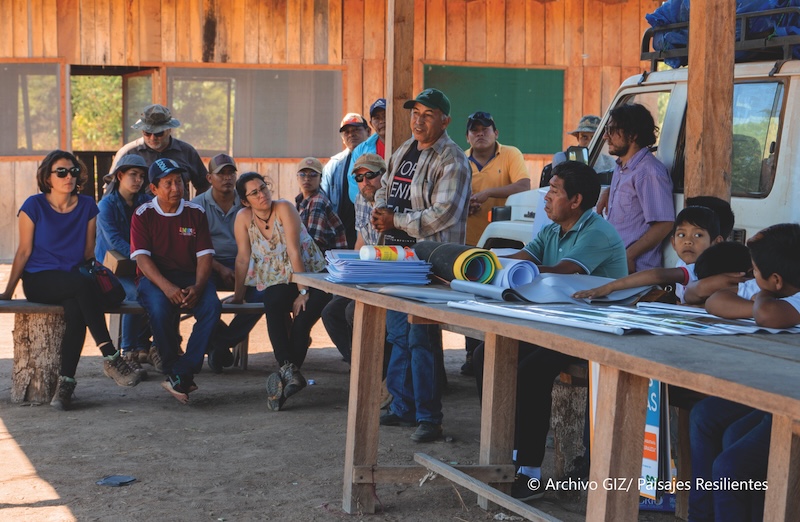
The initiative strengthened existing sub-watershed management committees, which became platforms for dialogue, joint planning and collective problem-solving. Through these spaces, stakeholders navigated competing land-use priorities while identifying practical responses to water scarcity, climate variability and ecosystem degradation. Watershed management helped align interests across sectors, linking local knowledge with technical approaches such as ecosystem-based adaptation, agroforestry and improved water management in productive systems.

Over time, these collaborative platforms evolved beyond coordination alone. Participatory monitoring systems, shared data platforms and regional planning instruments helped translate dialogue into formal governance arrangements embedded within municipal and departmental policies. Financial mechanisms supporting sustainable production further aligned economic incentives with landscape-scale objectives.

The experience in the Chiquitanía shows how Integrated Landscape Management (ILM) can move from project-based collaboration to durable institutional frameworks. By using watershed management as a practical entry point while strengthening governance systems, Paisajes Resilientes – implemented by GIZ and funded by the European Union and the German Federal Ministry for Economic Cooperation and Development (BMZ) – helped turn multi-stakeholder platforms into lasting policy foundations for landscape resilience

About the landscape

The landscape extends from the Chiquitano arid forest, the largest of its kind in the world, to the humid Amazonian forests in the north. This area provides vital ecosystem services, including water regulation, carbon storage, and biodiversity conservation, while supporting the livelihoods of the people living there. It is an important multi-stakeholder area where forests, water resources, and diverse communities are closely interconnected. The region faces pressing challenges, however, including widespread deforestation, water scarcity, and competing land-use demands from unsustainable agriculture (especially soybean production), livestock, and illegal logging. The landscape is particularly susceptible to wildfire. The fragmented governance and diverse interests – economic, cultural, and environmental – remain key barriers for efforts promoting long-term sustainability. These pressures harm the regulatory capacity of ecosystems and have serious socio-economic consequences for Indigenous families and small producers, which are characterised by high rates of poverty and limited access to basic services. 

ILM dimensions in the Paisajes Resilientes landscape

ILM is a process that fosters sustainability and resilience in landscapes through adaptive, inclusive, and integrating strategies. ILM approaches address the challenges of disintegrated natural resource management, where stakeholders have different agendas, sectors are poorly coordinated, and jurisdictional authorities overlap, leading to unintended consequences across ecosystems. In this approach, landscapes are viewed as social-ecological systems where the integration of human and environmental processes are crucial for long-term sustainability.

Effective ILM can be understood across six dimensions:

  • stakeholder identification and engagement; 
  • promotion of multi-stakeholder processes; 
  • development of a common landscape vision; 
  • institutionalization of governance mechanisms; 
  • adaptive and iterative management; and 
  • development of context-specific technical and policy solutions.

This case study examines each of these dimensions, although the sixth – tailoring solutions to local needs – is not addressed separately, as it is embedded throughout the description of the project’s actions and strategies.  

Stakeholder identification 

The Paisajes Resilientes project adopted the Capacity WORKS method for stakeholder identification – a systematic tool that classified stakeholders along critical dimensions such as their influence, interests, and interactions within the landscape. This approach allowed the project to go beyond simple identification of stakeholders to also uncover the agendas of each, the intricate linkages and institutional relations between groups, and the areas of tension between them.

Bolivia’s decentralized governmental system meant the Municipal Governments of San Ignacio de Velasco and Concepción, the Departmental Government of Santa Cruz, and the National Government all played active roles in landscape governance. Although their responsibilities were aligned within a nested hierarchy, tension between local and national jurisdictions persisted due to conflicting visions, overlapping mandates and differing agendas. 

Paisajes Resilientes identified small-scale farmers from approximately 80 communities, including both native and migrant populations, as key stakeholders. Indigenous people, composed of Chiquitano, Guarayo and Guarasugwé communities, were  the original occupants of the landscapes and held deep cultural ties and traditional knowledge crucial for water and forest resource management. Migrant communities, popularly known as “intercultural” communities, were ethnically mixed settlers from the highlands attracted by resettlement programmes initiated by the national government to populate public forest lands deemed suitable for colonization. The agricultural strategies of migrants were associated with uncontrolled deforestation that disrupted the forested landscape. Territorial conflicts provoked by migration reflect the highly polarized political context in Bolivia.

Other agricultural actors mapped as drivers of economic pressures and resource overexploitation were ranchers and agro-industries. Medium and small-scale ranchers were open to engagement with the Paisajes Resilientes project, but some large cattle ranchers and agro-industries (e.g., soybean producers) clashed with other stakeholders and resisted joining Paisajes Resilientes’ initiatives. The largest ranchers, who were economically powerful and politically connected, frequently acted without consulting local government or other stakeholders. Their extensive land use was an important driver of deforestation and landscape degradation, such as when they altered tributary courses in the watershed to create small reservoirs for their cattle, affecting the availability of surface water downstream.

The stakeholder analysis uncovered key gaps and opportunities, for example the fact that women were absent in decision-making processes, despite their integral roles in household production and resource stewardship. As a result, the project prioritized women to ensure their voices and contributions were recognized. Additionally, fragmented governance structures were barriers to effective management of shared resources, with tensions between local and national governments and overlapping mandates hindering coordinated efforts. The analysis highlighted emerging conflicts between traditional Indigenous people and newer settlers, particularly those involved in extensive agriculture and cattle ranching. These tensions reflected a polarized political context, with conflicting land-use practices challenging traditional management systems.

Multi-Stakeholder Processes 

By engaging stakeholders across different sectors and scales, Multi-Stakeholder Platforms (MSPs) promoted the alignment of objectives and the development of shared strategies among participants that are essential for sustainable land and resource management in complex socio-political environments.

Given the territorial disputes, governance fragmentation, and economic pressures in the Chiquitanía landscape, the creation of MSPs could foster dialogue and cooperation among diverse actors including those with conflicting interests. The landscape’s large size and lack of infrastructure, however, made it difficult for stakeholders to engage in collective processes. In total, the watersheds cover 61,034 km², so to facilitate management of this immense landscape, the project subdivided the three watersheds (Paraguá, San Martín and Zapocó) into eight smaller sub-watersheds. Within these sub-watersheds, Paisajes Resilientes established or reactivated eight management committees at the sub-watershed level based on local governance structures. The committees included rural communities, municipal authorities from San Ignacio de Velasco and Concepción, NGOs providing technical support, and the private sector, such as producer associations focused on agriculture, forestry, and ranching. These committees coordinated efforts to implement sustainable water and resource management activities in the region. This multi-stakeholder collaboration facilitated more inclusive decision-making, jointly coordinated planning instruments, and integrated local knowledge with formal governance structures. 

Additionally, the Paisajes Resilientes project launched participatory governance initiatives under the Programa de Gestión de Agua para la Vida (Water Management for Life) programme, which played a key role in promoting water governance in the Chiquitanía. The programme helped facilitate coordination among stakeholders, and the development of a water and climate action and finance plan with short, medium and long-term goals. It worked to balance conservation and livelihood needs, and integrate traditional Indigenous governance systems with technical conservation approaches to enhance water security on local terms.

Common vision

Achieving sustainable ILM outcomes should start with the formulation of a shared vision that reconciles the diverse – and, at times, conflicting – interests of key stakeholders. 

When Paisajes Resilientes entered the Chiquitanía landscape, there was no explicit shared vision developed with all stakeholders to guide the ILM processes. It was, however, clear that there was an implicit one.  

The Paisajes Resilientes approach focused on defining objectives that aligned with the local realities of sustainable resource management and governance. During the design phase, project staff worked with representatives of the Santa Cruz Departmental government and other stakeholders to identify the Paraguá and San Martín watersheds as priority areas for integrated watershed management due to the impacts of wildfires in the Chiquitanía area in 2019. During the initial stages, local stakeholders lobbied to include the Zapocó sub-watershed in the landscape because it was an important source of water for the municipal capitals. The shared interests in water security provided an implicit foundation for a common vision rooted in the protection of Indigenous knowledge systems and cultural heritage for sustainable livelihoods that could complement biodiversity conservation.

The vision places water as the central unifying element, reflecting its cultural, ecological, and economic importance in the region. As a Paisajes Resilientes representative shared, “Water is simultaneously the connecting thread and the solution  that unites all inhabitants.” The project implementation process was supported by dialogue and workshops incorporating the Chiquitano cosmovision. Storytelling helped participants illustrate the interconnectedness of land and water systems. This collaborative effort resulted in a vision document signed by over 200 community members and organizations, symbolizing a collective commitment to sustainable landscape management. Later, Paisajes Resilientes surveys showed that 85% of participants felt more connected to the project after contributing to the vision. The document was revisited in management committee meetings to address evolving challenges, ensuring that it remained responsive to issues like droughts and resource conflicts.

Despite initial challenges due to the absence of a predefined, explicit vision, the project’s flexibility allowed the vision to emerge organically, emphasizing the value of open-ended objectives that evolve with community needs.

Institutionalization

For landscape interventions to endure, effective participatory, adaptive and cross-sectoral planning and decision-making processes should be embedded within existing institutions and systems. In practice, institutionalization of ILM can be a challenge.

The Paraguá and San Martín River watersheds are a recognized geographical/biophysical unit, but as a landscape they do not form a discrete administrative or governance area. The watersheds overlay multiple jurisdictions, falling within the municipalities of San Ignacio de Velasco, Concepción, Urubichá and the San Miguel de Velasco, all of which fall within the Santa Cruz Department. This creates a complex mosaic of political jurisdictions, which complicated governance in the landscape.  

Conservation areas and Indigenous territories each with sustainable use regulations reinforced the protection of critical water sources and embedding conservation measures into local governance statutes. The Noel Kempff Mercado National Park, which has existed for decades, flanks the landscape to the east. The Bajo Paraguá TCO (a type of Indigenous communal property) covering the northern edge of the landscape provides a different model of landscape governance. TCOs have representative governance organizations and management rights and responsibilities over natural resources within their territories. The TCO implementation process institutionalized customary practice by respecting and integrating Indigenous governance systems for local decision making. Indigenous leaders established traditional rules for resource use, which were incorporated into formal governance frameworks. This recognition of ancestral knowledge reinforced the legitimacy of governance decisions and strengthened the community’s connection to the project’s initiatives.

The Paisajes Resilientes project supported the development of policy frameworks to facilitate improved ILM, including the Santa Cruz Government’s Departmental Plan for Water Security and Climate Change and its Territorial Plan for Comprehensive Development, aimed at improving watershed management through collaboration with local stakeholders. Conservation areas with sustainable use regulations were also established, embedding conservation measures into local governance structures. Partnerships played a central role in institutionalizing the project’s efforts.

To support strategic decision-making and resource management, the Paisajes Resilientes project helped develop the Integrated Environmental Monitoring System (SIMA) – a public data platform designed to support evidence-based decision-making on climate resilience, natural resource management, and risk reduction. SIMA is a platform for collaborative monitoring and decision support for climate change and water security issues. It provides a freely accessible, centralized source for water and environmental data for improved planning and risk management with up-to-date information. 

SIMA draws information from two automated weather stations in the San Martín and Paraguá basins and provides a framework allowing governmental agencies, universities, NGOs, and local communities to upload information related to water sources, water quality, fires, deforestation and restoration activities in areas impacted by fire. By involving these diverse stakeholders, participants ensured that the platform reflected the territorial realities and created a strong foundation for long-term ownership. SIMA has evolved further with the establishment of a participatory monitoring network, which collects local data on groundwater and surface water conditions, as well as hydro-meteorological information. This community-generated data enhances local ownership and improves the system’s accuracy. In parallel, SIMA incorporated a climate change and water security monitoring module, designed to strengthen enabling conditions for climate finance. By aligning data collection with the requirements of national climate commitments and municipal planning processes, the platform contributes to better risk management and opens the door for new investments in resilience.

Once operational, Paisajes Resilientes transferred SIMA to the Santa Cruz Departmental government’s Secretariate of Sustainable Development and Environment. Bolivia’s Catholic University created the Research Center for the Sustainable Development of Eastern Bolivia to act as the technical arm for SIMA. The municipal governments of Concepción and San Ignacio de Velasco passed water conservation laws that recognized SIMA as the official tool for information management.

The Paisajes Resilientes project also supported the creation of two financial mechanisms to support water management in the region. One. the Chiquitanía Water Fund, is a public-private partnership to fund water-related projects, such as potable water systems and cost benefit analysis for infrastructural investments. The second is a credit line for sustainable and deforestation-free livestock production which supports pilot projects to test innovative production strategies for ranches in the region. Both mechanisms are administered by the Bolivian Development Bank.

To seek sustainability for the ILM approach, the project implemented capacity-building programmes targeting subnational and local governmental agencies and local stakeholders. Training was intended to strengthen both technical and soft skills for planning related to water resource management, water governance, and climate adaptation. These various training programmes empowered over 200 local stakeholders (60% women), fostering a new generation of leaders capable of sustaining governance processes at community and municipal levels. 

Despite challenges like political transitions and limited resources, embedding ILM strategies in municipal plans and aligning them with national policies created resilience, ensuring the sustainability of governance frameworks beyond the project’s timeline.

Iterative learning and adaptation

The Paisajes Resilientes approach of dividing the landscape into sub-watershed management units allowed the project to focus on more manageable areas while maintaining a broader, integrated perspective. Efforts to address governance were concentrated on four of the sub-watersheds, enabling tailored interventions that reflected local environmental and social conditions. This improved stakeholder engagement and created opportunities for participants to influence governance processes.  

Regular feedback loops and constructive dialogue within the management committees enabled stakeholders to assess outcomes from project interventions collaboratively. The project’s consultations with these committees informed the selection of initiatives, ensuring these responded to local realities. Continuous dialogue allowed the project to adapt and scale successful practices, empowering communities to take ownership of solutions and building trust in the governance process. One example was the leadership development programme for community water governance, created in response to identified capacity gaps. Over 120 leaders were trained, many going on to become active figures in local governance. Similarly, a women’s leadership exchange expanded from a single event to multiple sessions due to growing demand and participation. This emphasis on women’s leadership not only empowered participants but also enriched governance processes by fostering diverse perspectives and inclusive decision-making.

The project also implemented five different pilot initiatives to test and refine ecosystem-based adaptation measures, such as introducing agroecological practices with women-led groups and improved silvopastoral systems. With small- and medium-sized ranchers, they explored water management practices like the design and rational use of cattle tanks (“atajados”). Alternative financial mechanisms that addressed the limited access to credit among ranchers (only about 30% had access to credit prior to these programmes) supported these efforts which incentivize sustainable land-use practices. 

While Paisajes Resilientes’ approach faced challenges due to political turnover and resource limitations, the project’s focus on continuous learning and community-driven feedback allowed governance structures to remain resilient and responsive to evolving needs. 

Conclusions

The Paisajes Resilientes in the Chiquitanía project illustrates the importance of initial stakeholder analysis to classify stakeholders by their influence, interests, and interactions within the landscape. This facilitated the identification of strategic alliances from the outset with continued collaboration among stakeholders after the project ended. For example, two national NGOs, CIPCA (Centro de Investigación y Promoción del Campesinado) and FCBC (Fundación para la Conservación del Bosque Chiquitano), continued to support interventions such as the promotion of agroforestry systems.

MSPs that included diverse stakeholders from the private sector, public agencies and civil society presented challenges to accommodate distinct agendas but also to adopt appropriate language. In this experience, the private sector was primarily interested in specialized technical issues and related cost-benefits analysis. The public sector sought alignment with national development and climate change objectives. Civil society and Indigenous organizations sought security in their resource rights. Because communities were key stakeholders, the approach to multi-stakeholder processes required adoption of less technical language, translators and use of examples from their daily life. 

Effective landscape governance starts by working with existing local institutions and practices, and adapting to existing social and environmental dynamics rather than imposing new structures. Channelling ILM discussions through the sub-watershed management committees facilitated interaction and maintained a strong focus on locally relevant issues. This approach illustrated the efficacy of strengthening existing structures and initiatives instead of creating new ones. Facilitating constructive dialogue and regular feedback sessions within the management committees further encouraged iterative learning and contributed to the planning of management activities. The Paisajes Resilientes capacity-building approach emphasized ‘learning-by-doing’ and knowledge exchange, ensuring that management interventions focused on relevant issues for participants at different scales and were more closely tailored to local contexts.

Overall, the Paisajes Resilientes experience demonstrates that ILM is most effective when it is grounded in local realities, builds on existing governance structures, and fosters inclusive, multi-stakeholder collaboration. By centering water as a unifying element, strengthening sub-watershed management committees, and promoting iterative learning through participatory processes, the project enhanced coordination, equity, and local ownership. These approaches not only improved resilience and resource governance during implementation but also created durable institutional foundations capable of sustaining landscape-level outcomes beyond the project’s lifetime.

Published May 2026. For more ILM case studies, see landscapesfuture.org/ilm-case-studies/All photos courtesy GIZ.

Water security as a bridge in Ecuador’s high Andes

What does it take to bring diverse actors together in fragile, contested landscapes? In a parish in Ecuador, the answer turned out to be water.

By Peter Cronkleton, Natalia Cisneros, Valentina Robiglio and Dominique le Roux (CIFOR-ICRAF); Néstor Santiago Luzón, Hilda Sofía Ayala, Pablo Moncayo Silva and Javier Jiménez Carrera (FAO Ecuador)

By framing conservation around water security – vital for households, agriculture, and food security – the Paisajes Andinos project was able to transform conservation from a source of resistance into a rallying point for cooperation. Water governance became the axis that connected Indigenous communities, water boards, local governments, and national ministries, embedding Integrated Landscape Management (ILM) in everyday decision-making.
This case is not only about protecting páramo ecosystems that regulate water for thousands downstream. It shows how ILM can work in practice by aligning conservation with livelihoods, creating governance spaces where community voices carry weight, and institutionalising agreements so they endure
beyond project cycles. It highlights how technical solutions – such as a new Water Protection Area –
were co-created with local stakeholders and backed by legal frameworks, ensuring both legitimacy and
long-term viability.
For practitioners, the lessons are clear: start from a shared priority, adapt plans to community realities,
and use governance spaces people already trust. For donors, the message is equally powerful: investing in
participatory water governance strengthens resilience far beyond conservation, advancing gender equity,
improving local economies, and building institutions that can sustain outcomes long after projects close.

About the landscape

Simiátug is a parish located in Ecuador’s Bolívar Province, which contains a high-altitude páramo ecosystem located between 3,200 and 4,200 m above sea level, is valued for the vital ecosystem services it delivers. This páramo plays a fundamental role in water regulation, including water retention and filtration, which is critical for both human consumption and agricultural activities in surrounding communities and the lower part of the watershed.

The watersheds in Simiátug are, however, fragile socio-ecological systems under increasing pressure due to unsustainable land-use practices and governance challenges. Overgrazing and the use of fire to convert native vegetation into pasture or farmland have led to soil compaction, erosion, and native vegetation loss, reducing the ability of these watersheds to effectively regulate water flows. These hydrological functions have been weakened by deforestation and burning for land clearing, further reducing water availability for downstream communities.

In this context, water governance emerged as a bridging force for conservation and sustainable management efforts in Simiátug. While previous conservation initiatives faced resistance due to competing land-use priorities, aligning local and government stakeholders around water security fostered collaboration across different governance levels and community stakeholders.

Recognizing the opportunity presented by this context, the Paisajes Andinos project – launched in 2020 and implemented by FAO Ecuador with funding from the European Union – chose Simiátug as one of its priority landscapes to apply ILM in practice. By centering water in its territorial work, the project enabled a more cohesive, coordinated, and community-driven ILM approach, ensuring that conservation strategies were directly linked to local well-being. Active in 15 parishes across Bolívar, Azuay, Cañar, and Pichincha provinces, Paisajes Andinos worked to restore degraded areas, conserve páramo ecosystems, and strengthen community resilience. The project also sought to integrate sus- tainable practices into production systems.

In Simiátug, the project placed particular emphasis on fostering collaboration among a wide range of stakeholders – including government agencies, local communities, academia, and private sector representatives – to develop solutions that align productive activities with environmental conservation objectives, especially in relation to dairy production. This participatory effort resulted in the creation of the Simiátug Water Protection Area (APH1) aimed at conserving the páramo while ensuring that the quality and quantity of water required for human consumption and food security was available.

The Simiátug landscape has become both a space for learning and a reference point for the potential of ILM. The experience of joint work among territorial stakeholders provides an opportunity to explore how collaboration, innovation, and equitable governance contribute to shaping a resilient future for some of the most important Andean ecosystems.

ILM dimensions in the Simiátug landscape

In the Simiátug landscape, the Paisajes Andinos project applied ILM principles to reconcile conservation goals with sustainable production and local livelihoods. ILM is a process of using adaptive, inclusive and integrating strategies to shift landscape system behaviour. From the outset of the Landscapes For Our Future programme, the ‘Central Component’ team from CIFOR-ICRAF developed a typology of six ‘dimensions’ as an initial hypothesis about ILM, subject to change as learning progressed together with the programme’s projects:

  • identification and engagement of stakeholders
  • promotion of multi-stakeholder processes
  • building a common vision for the landscape
  • institutionalization of governance mechanisms
  • adaptive and iterative management
  • development of context-specific technical and policy solutions

This case study examines each of these dimensions, although the sixth one – tailoring solutions to local needs – is not addressed separately, as it is embedded throughout the description of the project’s actions and strategies. The following sections illustrate how each of these dimensions took shape in Simiátug, based on participatory governance, intercultural collaboration, and a shared commitment to restoring and protecting the páramo ecosystem.

Stakeholder identification

In 2021, the Paisajes Andinos project identified a threatened páramo ecosystem in Simiátug as a priority for conservation and initiated a participatory consultative process with Indigenous communities in this area based on Free, Prior and Informed Consent (FPIC) principles, through which their consent to collaborate in the project was obtained. From that point on, the project carried out a Participatory Rural Appraisal and stakeholder mapping exercises to better understand the context of the landscape. This process included consultations with Indigenous communities, producer associations, local water boards, NGOs, and government institutions. It revealed the existence of a complex network of interconnected stakeholders operating across multiple levels and sectors.

After identifying the main Indigenous communities as central actors in the landscape, Paisajes Andinos initially established contact with 11 Waranka Kichwa communities located around the prioritized páramo area. During implementation, the project reached additional communities in the parish, ultimately engaging with 16 of the 17 communities (one community declined to participate).

Families in these communities rely primarily on mixed farming systems, producing a variety of crops, including potatoes and garlic, as well as small herds of dairy cattle. Artisanal cheese production constitutes one of the main sources of income for these families. However, traditional production systems, which rely on free-range grazing, have contributed to soil degradation as grazing expanded into sensitive páramo ecosystems. This situation af- fects both the water availability and the ecosystem’s recovery capacity.

The project also identified increasing seasonal migration, as many men –particularly younger generations – migrate to urban centres or large agricultural estates for seasonal labour, leaving women with primary responsibility for livestock and water resource management. Despite their key role in sustaining agricultural production and conservation activities, women have often faced barriers that limit their participation in the decision-making processes, and their access to resources. Recognizing this imbalance, the project actively worked to promote women’s leadership and participation.

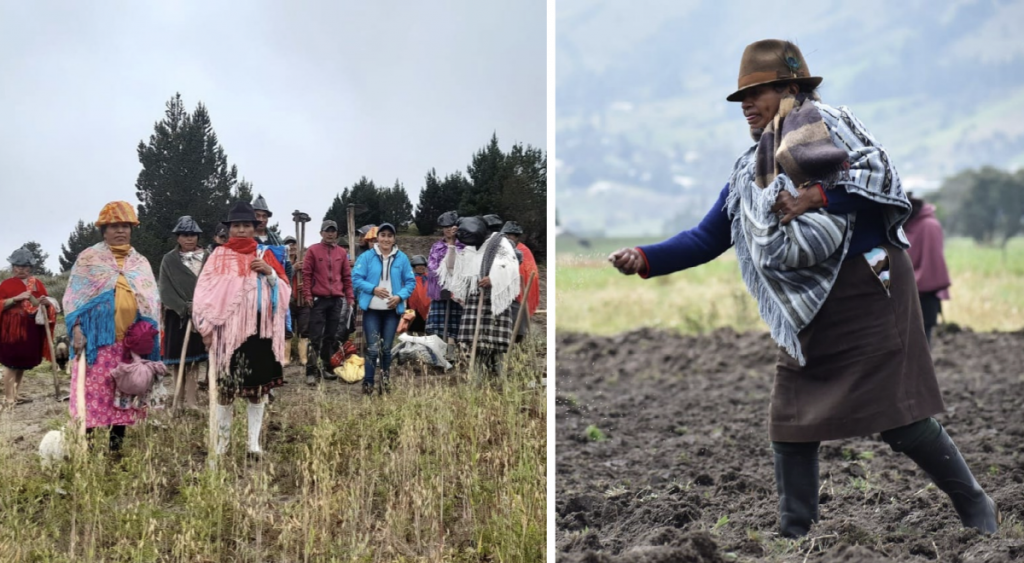
Each Kichwa Indigenous community holds title to communal lands and maintains traditional governance systems through elected community councils. These structures provide the foundation for community decision-making, but residents are also typically embedded within dense networks of grassroots organizations based on their economic activities and interests. There are approximately 35 grassroots organizations in the parish, including producer associations, community-run enterprises dedicated to artisanal cheese production, livestock and dairy associations, as well as specialized groups such as a women’s artisan association with their own credit unions to support their textile production. Two associations – Cruzpampa and Verdepampa – represent the economic interests of dairy producers from the communities.

The region’s Indigenous communities are politically active and successfully organize through political parties to defend their interests. For example, the current mayor of the Guaranda canton, which includes the parish of Simiátug, is affiliated with the national Indigenous political party, the Movimiento de Unidad Plurinacional Pachakutik. Additionally, the Runacunapac Yachana Foundation (FRY), a second-level Indigenous organization, plays a coordinating role with communities and their grassroots organizations.

The project identified two types of organization that play crucial roles in water governance and management in the landscape: the Drinking Water Management Boards known as JAAPs2 and the Irrigation and Drainage Boards (JRDs3). Simiátug has 46 JAAPs and 17 JRDs, each managed by leaders elected from amongst its members. These entities operate at the micro-watershed scale, and are responsible for managing water supply systems for both human consumption and irrigation, maintaining infrastructure, and mediating conflicts among users. To access water, members are required to contribute to communal labour, pay monthly fees, and participate in board meetings.

To secure their rights over water resources, these organizations request concessions from the state to prevent other stakeholders, such as mining companies, from claiming access. The water concession registration process is, however, complicated, and most remain in an informal status. This is, in part, due to bureaucracy and the fact that communities in Simiátug must travel to Guayaquil in Southern Ecuador to complete the procedures, which involve significant time and costs.

Governance in Simiátug is structured across three levels: parish, cantonal (municipal), and provincial, through Decentralized Autonomous Governments (GADs4). The GADs play key roles within a vertical governance hierarchy and inter-jurisdictional interactions. The parish-level GAD of Simátug – the level of government closest to the communities – holds monthly meetings with community representatives. The Municipal GAD of Guaranda – the jurisdictional level which oversees Simiátug – manages land titling, economic development, and environmental policy. At the provincial level, the Bolívar GAD is responsible for planning, production, and environmental policy. Given its commitment to conservation, the Bolívar GAD is considered a strong ally by the Paisajes Andinos project.

Multi-Stakeholder Processes

Diverse multi-stakeholder process- es support the implementation of ILM by facilitating dialogue, coordination, and decision-making among key actors. These processes and spaces are essential mechanisms to address governance gaps, resolve land-use conflicts, and integrate long-term sustainability criteria into the landscape. To develop an ILM strategy, the Paisajes Andinos project collaborated with government stakeholders across multiple levels, aligning actions with existing planning frameworks. These efforts are embedded within governance structures and contribute to achieving long-term conservation goals.

At the provincial level, the Bolívar GAD convenes the Intersectoral Roundtable on Water, Land, and Páramo5, created in 2022. This platform combined eight previously independent technical roundtables – each dedicated to specific themes like water, páramos, production and biological corridors – into a single, more integrated and operational structure. It brings together representatives from the Bolívar provincial GAD, as well as municipal and parish GADs, national ministries (particularly MAG and MAATE), international non-governmental cooperation organizations (such as CONDESAN, GIZ, FPH, and FEPP), universities, and Indigenous and campesino federations and organizations. The roundtable’s objective is to share information on projects or programs and to enhance synergies among stakeholders through improved coordination across the province of Bolívar.

This roundtable has been critical in facilitating initiatives such as the formation of community fire brigades in Simiátug – a preventive strategy to reduce and respond to forest fires that threaten natural resources and local communities. This structure has also helped to reduce duplication of efforts at the community level by combining and aligning meetings and reducing the frequency of redundant gatherings.

At the parish level, the Simiátug Parish GAD convenes the Simiátug Intersectoral Roundtable.6 This platform includes representatives from municipal, provincial and national governments, but it primarily focuses on amplifying local voices — particularly those of the JAAP representatives and community members. More than just a coordination space, this roundtable has become the principal mechanism for inter-community governance in the territory, where key decisions related to natural resource management and collective well-being are discussed and agreed upon. Meetings are held on the last Wednesday of each month to coincide with market day in the parish capital, which facilitates greater participation. While the platform is convened by the parish GAD, sessions are led by JAAPs and community delegates, who hold decision-making power over what happens in their territories.

Additionally, as part of the actions promoted under the Simiátug Water Protection Area (APH), a management committee was established to oversee the area and the implementation of its management plan. Each of the 11 communities in the páramo area, as well as the JAAPs and JRDs, has one voting representative on the committee. Other institutions, such as MAG, MAATE and FAO, participate as non-voting observers. This committee not only ensures broad representation but also leads the implementation of the APH’s Technical Management Plan, which was developed collectively through participatory rural diagnostics carried out with local communities to jointly analyse land use, social organization, and páramo management practices. The plan serves as a roadmap for prioritizing projects that address territorial challenges and guides strategic decisions made within this governance space.

These mechanisms have strengthened collaboration between local governments, communities, and private sector stakeholders, embedding ILM principles into long-term local governance structures.

Common vision

In Simiátug, secure access to water, both in terms of quality and quantity, emerged as a shared priority that connects the diverse stakeholders across the landscape. Water governance links stakeholders from multiple levels and has become a central axis of local multi-stakeholder dialogue, serving as the foundation for both conservation and sustainable production efforts.

In the past, water security was not necessarily linked to páramo conservation, as these highland ecosystems were often viewed as areas with potential for agricultural and livestock expansion. As water scarcity has increased over the past decade, however, perceptions have shifted. By focusing on water security, the project effectively integrated páramo conservation priorities into governance platforms, aligning them with local livelihoods.

Although this was not an explicitly shared vision from the beginning, the growing and commonly perceived problem of water scarcity acted as a structuring force that facilitated institutional coordination, enhanced stakeholder engagement, and enabled long-term sustainability planning. Through continued collaboration, this implicit alignment guided the practical implementation of ILM and helped shape ongoing governance processes.

Furthermore, FAO Ecuador articulated a broader vision for the recovery and protection of the páramos throughout the western Andes basin, centred on services such as water security, carbon sequestration, and food security. This vision also promotes the strengthening of agricultural production and value chains, in line with the interests of diverse stakeholder groups. For example, representatives from provincial and municipal GAD recognize páramos as important sources of drinking water for their urban centres.

As a result, water has served as a common thread, uniting members of local communities, government institutions, non-governmental organizations, and the productive sector. These shared interests have facilitated cross-sector and institutional collaboration, positioning ILM as a practical approach to inclusive and sustainable governance.

Institutionalization

One of the most important milestones in institutionalizing ILM in the Simiátug landscape was the creation of the APH-Simiátug – an achievement made possible through the project. Prior to the project, most of the communities around the páramo had already entered into individual conservation agreements with support from NGOs like FEPP and FPH. These informal conservation agreements helped initiate páramo protection at the community level, but official recognition through the APH was necessary to provide legal backing, unify fragmented efforts, strengthen institutional coordination, and ensure long-term, landscape-scale governance of water and páramo resources. The APH framework enabled the consolidation of a legally-recognized governance structure, the formal delimitation of a territorial boundary around the páramo, the establishment of a designated management committee for formal participatory governance, and the development of a management plan for the area.

Once approved by MAATE, this management plan will provide an additional layer of institutionalization to the Simiátug APH, as it will formally recognize the active role of the surrounding communities, the JAAPs and the JRDs in the co-management of the area. The plan also aligns community priorities with public investment and development plans, strength- ening the territory’s institutional capacity to sustain landscape restoration efforts in the long term.

Several institutional and policy frameworks provide guidance and further buttress this initiative. MAATE ensures the safeguarding of water-related ecosystem services through instruments such as the Water Resources Law and the delineation of National Priority Areas for Water Protection. Additionally, the National Plan for Integrated and Comprehensive Management of Water Resources in Ecuador’s River Basins and Watersheds seeks to ensure the integrity of freshwater ecosystems for the populations that depend on them. Complementary to this, the National Plan for the Conservation, Restoration, and Sustainable Use of Páramos reinforces the country’s commitment to landscape resilience and the protection of high Andean ecosystems.

To embed ILM principles into governance structures, Paisajes Andinos signed formal letters of agreement with key partner institutions, including parish, municipal, and provincial GADs. These agreements laid the foundation for inter-institutional collaborative efforts and commitment beyond the project’s lifespan, ensuring that conservation and sustainable production efforts remain active beyond direct project implementation. This institutionalization of agreements, plans, and governance spaces has helped consolidate integrated landscape management as a valid, recognized, and replicable approach in the territory.

Iterative and adaptive learning

In Simiátug, participatory processes empowered local stakeholders, strengthened technical capacities and promoted sustainable alternatives to traditional practices. These processes enabled continuous adjustments to conservation and sustainable production strategies, ensuring that interventions evolved in response to community needs, contextual challenges, and emerging opportunities.

Initially, the Paisajes Andinos project arrived in Simiátug with an interest in conserving the páramo areas in the parish, but without a straightforward implementation model. Communities expressed their concerns over water availability, which facilitated an entry point for dialogue as well as the acceptance of conservation measures. To build trust and support community understanding of different conservation designations, the project introduced a technician from MAG, who was also an Indigenous leader, fostering closer ties.

Additionally, the project organized exchange visits with other communities that had already established Conservation and Sustainable Use Areas (ACUS7) or had experience with biological corridors, allowing the Simiátug communities to understand their water conservation options better. After facilitating exchanges and workshops to assess different legal and territorial mechanisms for conservation and connectivity, a collective decision was made to establish a Water Protection Area (APH), which was later formalized in a plan to establish the Simiátug APH.

As the project progressed, the role of women in conservation and production became increasingly evident, despite persistent imbalances in responsibilities and participation in decision-making – particularly in relation to household economies, livestock management, water governance, and value chains. Recognizing this reality, the project adjusted its approach by integrating gender-sensitive community financial initiatives that strengthen the economic autonomy of women. The full participation of women continued, however, to be affected by their caregiving duties.

While they attended capacity-building spaces, many were not capable of fully engaging, as they had to bring their children with them. In response, the project implemented “Children’s Corners” – safe spaces within each workshop where children could enjoy recreational activities under the supervision of trained adults, allowing their mothers to actively participate in trainings or meetings.

These adaptations enabled women to take on leadership roles and participate meaningfully without compromising their caregiving responsibilities. The project integrated a gender perspective into conservation governance through targeted interventions: training workshops adapted to women’s schedules and needs, community financial initiatives that strengthen women’s economic autonomy, and incentives and resources aimed at improving productivity and well-being. Today, women represent a significant portion of project participants (51%), reflecting their growing leadership role in production and local economies.

The experience also helped to reshape the concept of sustainable land-use interventions. Since the establishment of the APH required livestock producers to adopt more sustainable production practices to reduce pressure on the páramo, the project recognized the need for viable alternatives. As a result, it introduced community-managed “Service Centres” in Cruz de Ventanas, Verdepampa, and Natawa.

These centres provide basic technical assistance to local residents and sell supplies purchased in bulk for community needs, improving access to key resources. Additionally, the project contributed to the formation of community savings cooperatives, which provide small loans to their members and function as accessible financial tools in areas where conventional financial services are absent. Both the service centres and community savings cooperatives provided financial support and technical assistance, helping to overcome initial barriers and facilitating the adoption of sustainable practices. These examples illustrate how early learning – enabled by the identification of on-the-ground barriers, active community participation, and exchanges with other experiences – led to the design of tailored solutions that enhanced the uptake of sustainable practices.

Conclusions

The establishment of the Simiátug Water Protection Area (APH) represents a significant achievement, laying the foundation for water conservation to benefit both the local stakeholders in Simiátug and the broader Bolívar province. This process was developed through participatory governance, in which local communities played a central role in decision-making and in defining conservation priorities.

By applying an ILM approach, the initiative succeeded in balancing water conservation with sustainable land use, integrating productive and conservation activities to maintain essential ecosystem services. These include watershed protection, regulation of the hydrological cycle, and biodiversity conservation – ensuring water quality and availability for local communities.

The integration of a gender perspective into landscape management has strengthened both social equity and sustainability outcomes. Recognizing and enhancing the contribution of women in Simiátug has been key to the continued success of its APH.

The active participation of key partners, including FAO and the Bolívar Provincial GAD, has been crucial in supporting governance mechanisms that embed community leadership in natural resource management, ensuring the long-term sustainability of the process.

This draft published February 2026. Download the published paper below. For more ILM case studies, see landscapesfuture.org/ilm-case-studies/All photos courtesy of WWF Paraguay.

  1. Área de Protección Hídrica-Simiátug ↩︎
  2. Juntas Administradoras de Agua Potable ↩︎
  3. Juntas de Riego y Drenaje ↩︎
  4. Gobiernos Autónomos Descentralizados ↩︎
  5. Mesa Intersectorial del Agua, Suelo y Páramo ↩︎
  6. Mesa Intersectorial Simiátug ↩︎
  7. Áreas de Conservación y Uso Sostenible ↩︎

Shaping the unmapped: Governing Paraguay’s overlooked frontier

What does it take to practice Integrated Landscape Management (ILM) in a place with almost no permanent human presence, weak State institutions, and highly unequal power dynamics?

By Natalia Cisneros, Peter Cronkleton and Dominique le Roux (CIFOR-ICRAF; Patricia Roche, Valentina Bedoya, Andrea Garay, Karim Musálem and Aida Luz Aquino (WWF Paraguay)

The CERES1 project in Paraguay’s northern Chaco Cerrado shows that ILM can work even in extreme conditions – if actors are willing to adapt, use informal coordination creatively, and prioritise legitimacy over rigid blueprints.

This case is not simply about conserving a rare and threatened ecosystem. It is about building governance in a vacuum: establishing the first permanent State presence in a territory previously managed at a distance, supporting Indigenous Ayoreo communities in reconnecting with their ancestral lands, and finding ways for ranchers, civil society, and government to collaborate despite deeply divergent interests.

For donors, it demonstrates how investment in facilitation, institutionalization, and community participation can yield durable gains – such as the legal titling of Cerro Chovoreca Natural Monument – that would otherwise have been out of reach.

For practitioners, the lessons are equally sharp. The project shows the value of neutral facilitation in contested spaces, the importance of informal mechanisms (from WhatsApp groups to ad-hoc meetings) for keeping decisions moving, and the need to accept symbolic progress – such as periodic visits to ancestral lands – when permanent solutions are not yet possible. Above all, it highlights that ILM is less about perfect plans and more about adaptive learning, trust-building, and anchoring small steps in lasting institutional change.

About the landscape

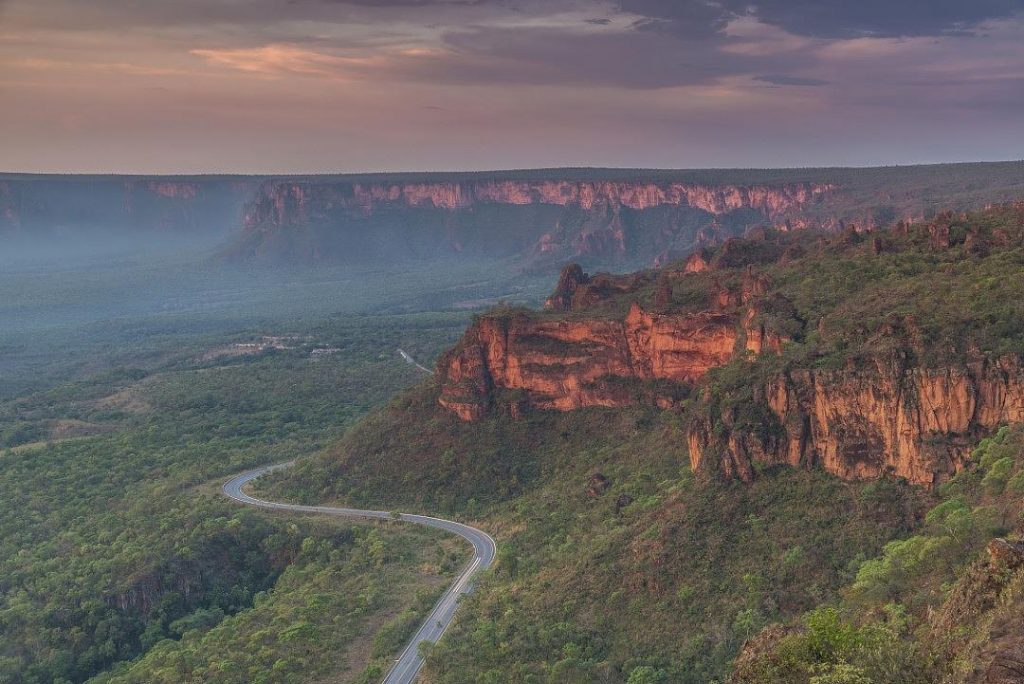
The Chaco Cerrado is Paraguay’s last green frontier. Despite its immense ecological value, it is one of the country’s most threatened and least- known ecosystems. It represents one of the only portions of the Cerrado biome in Paraguay and is located at the convergence of distinct ecoregions – the Dry Chaco, the Pantanal, and the Cerrado itself – forming a unique mosaic of biodiversity and cultural richness. This region is part of the ancestral territory of the Ayoreo people, including both contacted communities and others in voluntary isolation, whose traditional practices and worldviews are deeply connected to the landscape.

Conditions in and around the Cerro Chovoreca Natural Monument (CCNM), located in the district of Bahía Negra, are extreme. The intervention area lies in one of the most remote regions of Paraguay, with limited human settlement, connectivity, infrastructure, or the State’s public presence.

These territorial constraints significantly challenge conservation efforts and sustainable development – it is difficult to access, even by park rangers, suffers from water shortages, and is highly vulnerableto wildfires. Although Bahía Negra contains the largest number of protected areas in Paraguay and is part of the Chaco Biosphere Reserve, its isolation has limited State action and made governance difficult. Furthermore, the lack of surface water has prevented the Ayoreo Chovoreca community from inhabiting and maintaining a permanent presence in their territory, despite their desire to do so.

Meanwhile, the region’s livestock sector is highly developed.

In response to these conditions, the CERES Project was launched in 2020 – an international initiative led by WWF Netherlands and implemented in Brazil (by WWF Brazil and the Institute for Society, Population and Nature) and Paraguay (by WWF Paraguay) with funding from the European Union. Although the project was implemented in both countries, this case study focuses on activities in Paraguay. Until its closure in 2024, CERES promoted an inclusive and sustainable development model aimed at empowering local communities, strengthening institutional capacities, influencing public policy, and raising awareness of the Cerrado’s value through participatory strategies and communication campaigns.

One of CERES’s areas of intervention included the CCNM, the surrounding Agua Dulce area, and the Chovoreca Garaigosode Ayoreo Indigenous Community. The topography is predominantly flat with slight changes in elevation near the border with Brazil. The landscape is characterized by low population density and high strategic value for ecological connectivity with other areas, such as Defensores del Chaco National Park – the largest protected natural area in Paraguay.

ILM dimensions in the Cerro Chovoreca Natural Monument landscape

The ILM approach enables analysis of how different dimensions emerge and influence the success of complex territorial interventions. ILM is an approach that promotes coordination among diverse actors, sectors, and levels of governance, structured around six key dimensions:

  • stakeholder identification and engagement;
  • promotion of multi-stakeholder processes;
  • development of a common landscape vision;
  • institutionalization of governance mechanisms;
  • adaptive and iterative management; and
  • development of context-specific technical and policy solutions.

This case study examines each of these dimensions, although the sixth – tailoring solutions to local needs – is not addressed separately, as it is embedded throughout the description of the project’s actions and strategies. The following sections illustrate how, specifically in the CERES project in Paraguay, these dimensions were present in different aspects of the work, generating key lessons for the sustainability and governance of the Cerrado.

Stakeholder identification

The Cerrado landscape in Paraguay’s northern Chaco brings together diverse stakeholders with varying levels of involvement, interests, and capacity for action.

Before CERES, many stakeholders had no sustained physical presence in the area due to its remoteness, inaccessibility, and lack of basic infrastructure, which hindered governance and inter-institutional coordination.

The Ministry of Environment and Sustainable Development (MADES), responsible for managing protected areas, had no permanent presence in the area. At MADES’ request, CERES established a mobile control post for park rangers – marking the first time the State maintained a continuous operational presence there. MADES was also interested in advancing the legal titling of the Cerro Chovoreca Natural Monument to consolidate and formalize the protected area.

The Ministry of National Defence maintained a presence via nearby military bases. The National Institute for Rural and Land Development (INDERT2) holds legal ownership of the CCNM, which needed to be transferred to MADES for formal recognition as a protected area.

The Paraguayan Indigenous Institute (INDI3), which is tasked with ensuring the legitimate representation of Indigenous communities, played a key role in validating their participation in this highly sensitive context, as communities in voluntary isolation also inhabit the area.

Extensive cattle ranching is one of the most influential sectors in the Chovoreca landscape. The Agua Dulce Livestock Association (APAD4), which brings together local ranchers, is a key stakeholder and among the few with a permanent presence. Its members control a significant portion of the local economy, with large landholdings and logistical capabilities that grant them influence over both productive dynamics and territorial decisions.

There are also Indigenous peoples with rights and interests in the landscape. The Ayoreo Chovoreca community owns a 20,000-hectare tract historically used for their nomadic livelihoods. Despite holding a titled property, growing territorial pressure led the community to seek a more constant presence in their land to protect it and uphold their rights. They have, however, faced obstacles in returning to and safeguarding their ancestral lands due to climatic conditions, infrastructure gaps, and lack of basic services.

In addition to WWF Paraguay, several civil society groups also work in the landscape, including different NGOs such as Guyra Paraguay, Iniciativa Amotocodie, and Alter Vida.

Multi-Stakeholder Processes

The CERES implementation process in the Chovoreca landscape has been a story of strategic adaptation, marked by learning, re-evaluation, and reconnection.

Initially, WWF Paraguay participated in a multi-stakeholder land-use planning process(POUT5) for Bahía Negra district, which had been active for several years. While this space offered an entry point for landscape dialogue, divergent interests among participants and the perception of WWF Paraguay as a non-neutral facilitator (due to its conservation focus) ultimately stalled progress. The POUT never received municipal approval.

Learning from this, the CERES team (working as WWF Paraguay, since the project identity was less well known locally) redefined its multi- stakeholder strategy. As part of the component for strengthening protected areas, the project shifted to supporting the titling process for Cerro Chovoreca Natural Monument as a first step in a broader strategy to sustain biological corridors. This new phase convened key stakeholders in a multi- sectoral working group that, through effective coordination between civil society, government, and the private sector, achieved a major political milestone: the legal titling of the protected area.

Each actor played a clear role. APAD, WWF, and Guyra Paraguay supported with legal and logistical advice; MADES led the regulatory and technical process; INDERT conducted the judicial land survey; and the Ministry of Defence, the National Boundaries Commission, the National Cadastre Secretariat, the Geodesy Directorate, the National Public Records Directorate, and the Chief Public Notary facilitated the legal transfer and formal registration. This collaboration enabled the official titling of Cerro Chovoreca Natural Monument in June 2024, through INDERT’s transfer of land ownership to MADES. The milestone was publicly announced at an event attended by the President of Paraguay.

With the area now titled, a new multi-stakeholder working group was formed to develop a management plan, with support from an external facilitator to ensure technical neutrality. In this third phase, WWF deliberately took a less prominent role. Hiring an external company facilitated a participatory process impartially and effectively. Additionally, sustained support and funding from CERES and other WWF initiatives enabled the active participation of Ayoreo communities.

Coordination in the titling phase occurred mostly through informal mechanisms – WhatsApp groups, verbal agreements, and targeted meetings – that enabled agile operational decisions. For the management plan, collaboration was structured mainly through field visits, participatory workshops, interviews, and meetings between researchers, authorities, and communities. In both cases, flexible dialogue spaces enabled agreement, later formalized through official resolutions and agreements.

As in similar processes, there was initial hesitation about including new actors, especially given short timelines. Sustained dialogue with the Ayoreo community, however, yielded the opposite: the Ayoreo community’s participation, including during fieldwork, strengthened the legitimacy of the process and enriched the technical content of the plan by incorporating traditional knowledge, sacred sites, historical land uses, and cultural and spiritual landscape values.

This multi-stakeholder process transformed institutional relationships. Communities went from being perceived as obstacles to being seen as key allies, and public actors recognized the value of truly inclusive participation. This laid the foundation for a new model of territorial governance based on mutual respect, the complementary nature of knowledge systems, and shared responsibility.

This process showed that integration does not require everyone to agree from the outset – it requires mechanisms for dialogue, conflict resolution, and convergence toward shared goals. The key was clear rules, defined tasks, and a shared agenda.

Common vision

From the outset, CERES proposed a broad and flexible vision: to conserve a resilient Cerrado through inclusive and sustainable development – even though few people in Paraguay were aware of this eco-region’s existence. This high-level framing allowed the vision to remain relevant throughout the project in both Paraguay and Brazil, without requiring significant adjustments, despite contextual changes and implementation challenges.

In Paraguay, this broadness brought both advantages and challenges. On the one hand, it helped align diverse stakeholders – Indigenous communities, producer groups, public institutions – around the project’s general narrative. On the other hand, the lack of specificity initially limited the development of a shared roadmap or prioritized interventions.

The shared vision did not emerge in a single phase; it took shape through iterative processes, such as those leading to the titling of Cerro Chovoreca and the participatory development of the management plan. In those spaces, actors’ specific interests gradually converged into a shared understanding of the landscape: the need to organize, protect, and collaboratively manage a territory crucial for conservation, ranching, cultural identity, and legal security.

Institutionalization

One of CERES’ most lasting impacts was helping institutionalize processes that were previously scattered or informal. The management plan was approved through a ministerial resolution by MADES, becoming an official tool for managing the protected area. Having been developed with multi-sector participation and validated by Ayoreo representatives, it became a best-practice example for other landscapes and protected areas.

Participants found that informal channels – WhatsApp groups, verbal agreements, and occasional meetings – were effective ways to fine-tune the plan. Once consensus was reached, decisions were formalized through official resolutions, agreements, and internal procedures. The project succeeded in institutionalizing several of these practices, which are now being replicated by public institutions elsewhere in the country.

WWF’s strategy of engaging in pre-existing titling and planning processes showed that projects do not need to create parallel structures but can strength-en existing ones by legitimizing them and enhancing their technical and social capacities. Institutionalization was not a goal in itself, but a means to sustain achievements beyond the project’s funding cycle.

Iterative and adaptive learning

The ILM approach was not a blueprint applied from the start of CERES; it was a practice gradually understood, negotiated, and adapted. The technical team, implementing partners, and local actors essentially learned together what ILM meant in a remote, complex landscape like the Chaco Cerrado.

One of the biggest lessons came when the team realized its original proposal – to establish function- al biological corridors between conservation units – was technically sound but operationally impossible given stakeholder divergences at the time. When the POUT dialogue space stalled, WWF and partners chose not to force implementation. Instead, they chose to highlight the importance of the corridor designation. Through maps, narratives, and dialogue spaces, the idea of ecological connectivity was socially established without imposing formal restrictions. This was not only a tactical shift but a deeper lesson about prioritizing legitimacy over technical imposition.

Another important lesson involved efforts to support the Ayoreo community’s physical return to ancestral lands through the installation of a water well. While infrastructure was delivered, territorial conditions (climate, access, services) didn’t allow for permanent settlement. Far from seeing this as failure, the team understood that symbolic reconnection, periodic visits, and community monitoring were legitimate ways to restore ties with the land – adjusting expectations without abandoning the goal of strengthening Ayoreo- landscape relations.

Finally, the experience of directly facilitating multi-stakeholder spaces – like the POUT platform – highlighted how technical leadership may conflict with the need for neutrality in sensitive processes. Having faced such tensions before CERES, WWF deepened its understanding of the value of neutral facilitation. Thus, WWF/ CERES decided not to lead those spaces directly and instead hired external facilitators, improving perceptions of impartiality and reducing tensions among stakeholders.

All this occurred within the EU project framework, which had predefined objectives, timelines, and components. Yet the team demonstrated strategic flexibility – adapting plans, reframing goals, and reconfiguring alliances – without losing sight of core principles. In summary, CERES did not just apply the ILM approach, but learned by doing. The adaptive learning process was continuous and cross-cutting, allowing the project to stay on course even when the original path had to be redesigned due to territorial realities.

Conclusions

The experience of the CERES project in Paraguay’s Chaco Cerrado demonstrates that Integrated Landscape Management can be effective even in contexts marked by remoteness, weak institution- al presence and deeply unequal power relations. Rather than applying a fixed model, the project showed the value of adapting ILM principles to local realities – prioritizing legitimacy, flexibility and trust over rigid structures or predefined solutions.

In a landscape where governance had long operated at a distance, CERES helped establish the foundations for collective action by strengthening informal coordination, enabling dialogue among unlikely partners, and gradually anchoring these processes in formal institutions. Achievements such as the legal titling of the Cerro Chovoreca Natural Monument illustrate how incremental, well-facilitated steps can unlock durable institutional change, even in governance vacuums.

Equally important are the project’s lessons on adaptive learning. By recognizing when original plans were unworkable, accepting symbolic or partial progress, and valuing neutral facilitation in contest- ed spaces, CERES reinforced that ILM is not about perfect outcomes, but about sustaining processes that allow collaboration to evolve. In this sense, the case highlights ILM as a practice of patience, pragmatism and long-term commitment in complex frontier landscapes.

This draft published February 2026. Download the published paper below. For more ILM case studies, see landscapesfuture.org/ilm-case-studies/All photos courtesy of WWF Paraguay.

  1. Gestión Integrada y Sostenible del Paisaje del Cerrado en el Brasil y el Paraguay ↩︎
  2. Instituto Nacional de Desarrollo Rural y de la Tierra ↩︎
  3. Instituto Paraguayo del Indígena ↩︎
  4. Asociación de Productores de Agua Dulce ↩︎
  5. Plan de Ordenamiento Urbano y Territorial ↩︎

What we’re learning: Reflections from Latin America

Integrated landscape management can feel abstract – but it comes alive in the field. This year, we've been revisiting our landscapes to see how ILM is taking shape in practice. Through honest conversations, collaborative reflection and some challenging questions, we've been exploring what’s working, what isn’t, and how teams are learning as they go.

Over the past few months, we’ve had the opportunity to conduct second-round learning missions in our landscapes in Colombia, Ecuador and Paraguay. These visits were part of a broader structured process to draw lessons from the field, reflect critically with project teams, and contribute to a shared understanding of what integrated landscape management (ILM) actually looks like in practice.

We followed the same structure across countries, mirroring what our Central Component colleagues were doing in their regions: drawing on each team’s responses to an initial online survey – which captured the landscape context and the project’s origins – along with the six dimensions we had hypothesized as key ingredients to ILM success. These inputs informed two- or three-day workshops with project teams, where we invited them to reflect on what they had done, why they had done it, and how things had changed since our first visits in 2022.

Anchoring abstract concepts in real places

A big takeaway was the challenge of scale. ILM, by nature, is complex – and many of the landscapes these projects operate in are vast. In Ecuador, for example, the original project area covered almost the entire Andean region. So, when we asked teams to respond to indicators in the survey, they found themselves jumping between distant regions – sugarcane in the south, a water conflict in the north, a road corridor affected by drug trafficking in another part altogether.

It quickly became clear: to have meaningful discussions about how ILM actually works, we needed to zoom in. So, in each country, we anchored the conversation around a smaller, clearly defined landscape where multiple ILM dimensions were being applied in parallel. That helped teams reflect more clearly and allowed us to go deeper.

The importance of who’s in the room

We were intentional in inviting people who were involved operationally in the project – not just administrative leads or senior coordinators, but people who understood how the work unfolded on the ground. At the same time, we also needed people who could see the bigger picture – who understood that what they were doing was part of an ILM approach. That combination – grounded but strategic – made all the difference in the quality of insights we received.

From generous scores to critical reflection

One pattern we noticed was that teams were initially very generous with their self-assessments – sometimes giving high scores across the board. We realized we needed to clarify that the scoring system wasn’t about good or bad – it was a tool for honest reflection. After reinforcing that, we began to see more variation in scores and more constructive debates.

For example, in one workshop, everyone rated gender integration very highly – until the gender specialist spoke up and challenged the assessment. That sparked a great conversation. In another case, the project lead joined on the second day and provided a more critical perspective, which helped balance the views in the room. These dynamics made the sessions more nuanced and meaningful.

What we’re learning about learning

One dimension that consistently scored lower across countries was “iterative learning”. We began to suspect that the concept wasn’t fully understood – or at least not deeply embedded in how teams reflected on their own work. It’s not just about adjusting a workplan or switching activities mid-stream. It’s about creating a learning loop: actively monitoring, testing assumptions, learning from experience, and adapting strategies with stakeholders. We realized we need to do more to support teams to understand this dimension and to put it into practice.

Honest conversations and collaborative writing

Perhaps the most rewarding part of the missions was how openly teams shared with us and how willing they were to co-create the learning outputs. In each country, we used the final session to share a rough draft of the key learnings we had captured. Teams responded in real time, making corrections, clarifying ideas, and adding details. That iterative back-and-forth helped ensure accuracy and built ownership of the findings.

The reports we produced are not just about the projects – they were written with them. The Colombia, Paraguay and Ecuador teams, for example, gave detailed feedback that went far beyond typo-checking. They helped us refine the narrative to better reflect stakeholder dynamics, project histories, and evolving strategies. These weren’t just technical reviews – they were true collaborations.

What’s next

In the end, this process has been both intellectually and emotionally demanding. The discussions were honest. The writing was collaborative. And the learning was mutual. As we reflect on what’s emerging from Latin America, we’re struck by the diversity of approaches – and the common principles that underpin them.

From WhatsApp-based coordination in Paraguay to adaptive crab trap design in Colombia, the principles of ILM are taking root in very different ways. Our hope is that by documenting and sharing these grounded experiences, we help demystify ILM – making it less abstract, more relatable, and ultimately, more effective.

We’re grateful to our partners for their trust, openness and time. This process has been exhausting, yes – but also deeply rewarding.